

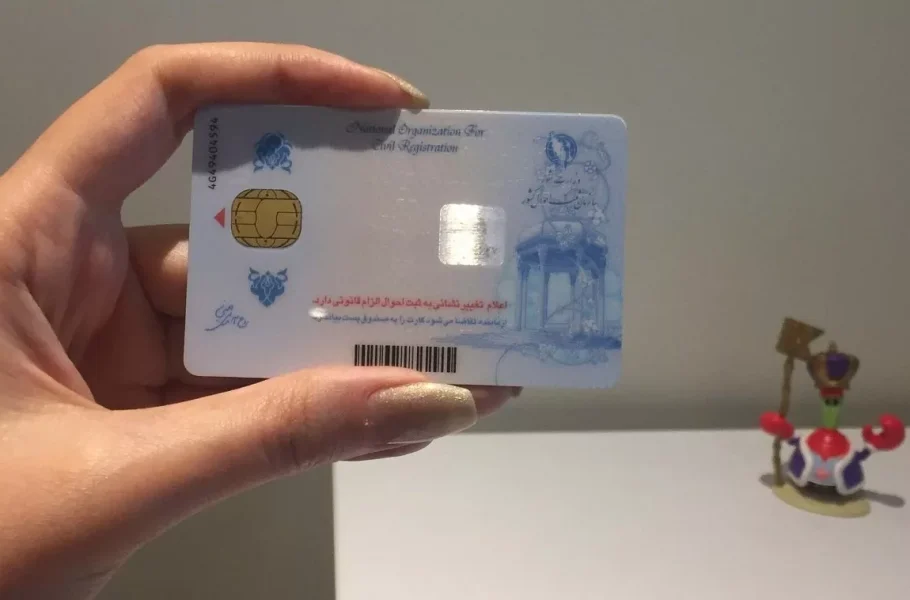
Iran says next-generation national ID cards will use AI and blockchain
The civil registration chief promises distribution by spring 2027, with online identity checks and citizen-approved information sharing.

Latest from Interview


Iran plans to replace embedded chips in its next-generation national ID cards with encrypted QR codes and begin distributing them by spring 2027, the head of the country’s civil registration agency has said.
Mohammad Jamalo, head of the National Organization for Civil Registration, told that the redesigned cards would support online identity verification using QR codes, one-time passcodes sent by text message and artificial intelligence.
The proposed system would also remove the need to provide photocopies of identity documents when accessing services, Jamalo said. Scanning a card’s QR code would allow identity information to be shared online with a service provider, with the required information transferred after the citizen receives a text message and approves the request.
Jamalo said AI and blockchain had been used in the design to improve security and functionality. The available account does not explain how either technology would be implemented or provide technical evidence for the claimed security benefits.
The announcement comes amid a longstanding backlog. About six million people are awaiting issuance of their national ID cards, most of them teenagers applying for the first time, according to Jamalo.
The agency plans to issue and deliver current-generation cards to those applicants by the end of autumn 2026, fulfilling its existing commitments, Jamalo said. For the next-generation cards, he promised issuance and delivery in fewer than 20 working days.