Brands in Iran need to look beyond likes to understand their audiences, Fourmind CEO says
Fourmind’s CEO explains what brands in Iran can learn from how audiences discover, share and discuss content across social platforms.

Latest from Interview


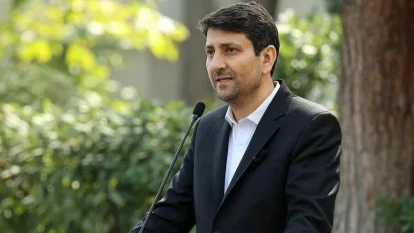
Brands in Iran should study why people save, share or skip a post before spending more to reach them, Pouria Hamzehlouei, CEO of creative communications agency Fourmind, said in an interview with Digiato.
He pointed to a survey that Fourmind conducted with research firm emrc. Every respondent ages 14 to 45 named Instagram as a platform they used, he said. Yet even on a platform that reaches everyone in that group, a brand’s post still has to compete with videos from creators and updates from friends.
When the audience also makes the content
Hamzehlouei traced the idea of the attention economy to the 1970s, when, in his account, an abundance of supply made attention a resource that companies had to compete for. Social media brought another competitor into the market over the past 15 to 20 years, he said. A person posting for friends and a creator posting for followers both want time from the same audience a brand hopes to reach.
That competition has changed what he sees as an advertising agency’s job. Fourmind provides conventional advertising services, but Hamzehlouei describes its wider role as working out where a brand’s communication with customers breaks down and where its spending could earn a greater share of attention or conversation.
For companies that sell directly to consumers, he said, being easy to find online can matter even when social media plays a limited role in the business. Some customers look for information on Instagram or through AI tools such as ChatGPT. A company can make itself discoverable there while deciding separately whether its brand should be built around social platforms.
What Instagram’s reach tells advertisers
Hamzehlouei said the Fourmind–emrc research involved more than 1,700 people across Iran. The 100% figure applied to respondents ages 14 to 45 who named Instagram, a narrower group than the full survey sample. He also said the research put average deliberate time spent on Instagram at more than two hours and 40 minutes a day. The interview did not provide the sampling or weighting details needed to turn those figures into national estimates.
Entertainment, home decor and fashion were among the leading interests the research identified, he said. Those interests help explain why users might skip a commercial account, and why publishing a post gives a brand little assurance that anyone will pay attention to it. He described people scrolling on their phones even while watching television, an example of how time on a platform can include moments when very little of the material registers.
He also sees users moving from Instagram’s Home feed toward Explore and Reels, where recommendations reflect their interests. That makes it harder for brands to rely on existing followers seeing what they publish, he said. He linked some of the audience’s resistance to advertising to years of inflated promises and disappointing experiences with brands.
The cost of chasing a trend
Hamzehlouei said pressure from chief executives and boards can push marketing teams to deliver an easily reported number, such as follower growth. A costly giveaway might bring an account to a million followers, he said, while leaving the company with little idea what that audience is worth. When executives cannot see a return they understand, they may move spending back to formats they find more tangible, such as billboards.
Viral reach can also come with a cost. Hamzehlouei cited the backlash to a Pepsi ad as an example of how a brand can draw widespread attention and still damage its standing. He contrasted such efforts with the way people passed along the Ice Bucket Challenge and the Mannequin Challenge, or helped spread the popularity of Labubu. He pointed to Nike as an example of a brand whose Instagram posts can give audiences something to engage with beyond the products it sells.
Where younger users spend their attention
Hamzehlouei said younger and older users in the groups he discussed spent roughly similar amounts of time on social media, about three hours a day, but used the platforms differently. Younger users can keep an Instagram account while finding the conversations that matter to them on X, TikTok or YouTube, or on Twitch if they follow gaming. He sees some of that movement as a way for young people to find peers and develop interests apart from their parents.
In the Fourmind–emrc research, 29% of respondents ages 14 to 59 used YouTube, he said, with much of that use concentrated among those ages 14 to 27. He expects YouTube to be the next platform to capture the most attention. That is his forecast, based on the agency’s observations and survey figures.
He described social approval as another factor in where and how young people post. A generation that grew up taking photos and sharing them online can feel pressure from peers to document its private life, he said. He contrasted the older image of success embodied by a chief executive in their 50s or 60s with the example of an 18-year-old who makes a fortune on YouTube.
What made someone share?
Hamzehlouei calls Fourmind’s proposed approach “social graphics.” It groups people by how they make decisions and how they live, including how readily they try unfamiliar things. In his view, a person’s age, gender or address tells a marketer relatively little about whether that person will respond to a moisturizer ad or use a newer platform to make a purchase.
Instagram Insights can show which post drew likes or followers. The agency’s research question begins with the response itself. What made someone save the post, or feel it said something they wanted to pass along? Fourmind combines original studies it commissions or conducts periodically, observations of how consumers behave where they encounter a brand, and existing research and models. Hamzehlouei said that work takes time and money. He argues that it reduces the risk of spending on a campaign whose apparent success would otherwise be hard to explain or repeat.
He raised a similar objection to AI influencers and automated brand accounts. In his view, a system that copies the features of a popular post from its engagement data is working from the outcome of a decision. That gives it a limited view of why the person made it. He expects some of those tactics to lose effectiveness as audiences recognize the patterns. For brands, he puts greater weight on an audience member reposting something or adding it to a Story than on a like or comment alone.
Creators, communities and the people who shape taste
Hamzehlouei distinguishes an influencer with a large following from someone who can move a particular group to act. A microinfluencer with 10,000 to 20,000 followers may have close relationships with many of them, he said. Creators can build a similar connection through a shared interest or subject. He offered the example of a creator with 30,000 followers whose video gets a million views, while an account with a million followers might draw 30,000 views. Follower totals alone would give an advertiser the opposite impression of the two accounts’ reach.
He said influencer recommendations still help introduce trends and encourage purchases, even as he sees confidence in conventional influencer marketing declining. He cited skincare brand The Ordinary’s use of de-influencing as an example of a company making a publicity tactic out of questioning what people are encouraged to buy.
He also argued that brands have a better chance of earning trust by contributing to an existing community. A logo on a sponsorship can buy exposure. An event that lets members of an online group meet in person can give them something they wanted from the group in the first place, he said. The starting point for the brand is finding out why people joined and what would help them stay connected.
Hamzehlouei closed by discussing “weak ties,” or connections outside a person’s close circle. Someone might turn to a distant contact in Milan or Paris for fashion cues, he said, or develop an interest in South Korean or Japanese culture through people they follow online. He cited Elon Musk’s posts about subjects such as Mars and Starlink as an example of how a distant figure can shape what people want or expect from technology. For brands in Iran, he said, that means paying attention to the wider networks in which their audiences discover ideas, including conversations that never mention the brand.