
Alopeyk reports 20-fold operational growth, puts service quality next
Alopeyk’s CEO credits Golrang and the Zap merger for rapid expansion, with delivery reliability and customer support now priorities.

Latest from Interview


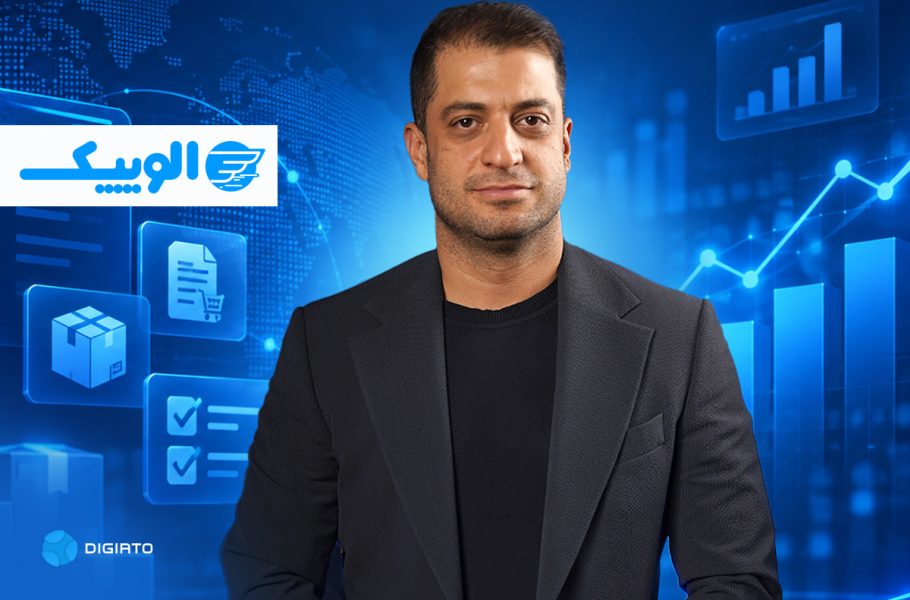
Iranian delivery platform Alopeyk says its operations have grown about twentyfold compared with the Iranian year 1402, which ran from March 2023 to March 2024. Chief executive Shahab Afsharkohan now wants the company’s next phase to focus more heavily on service quality.
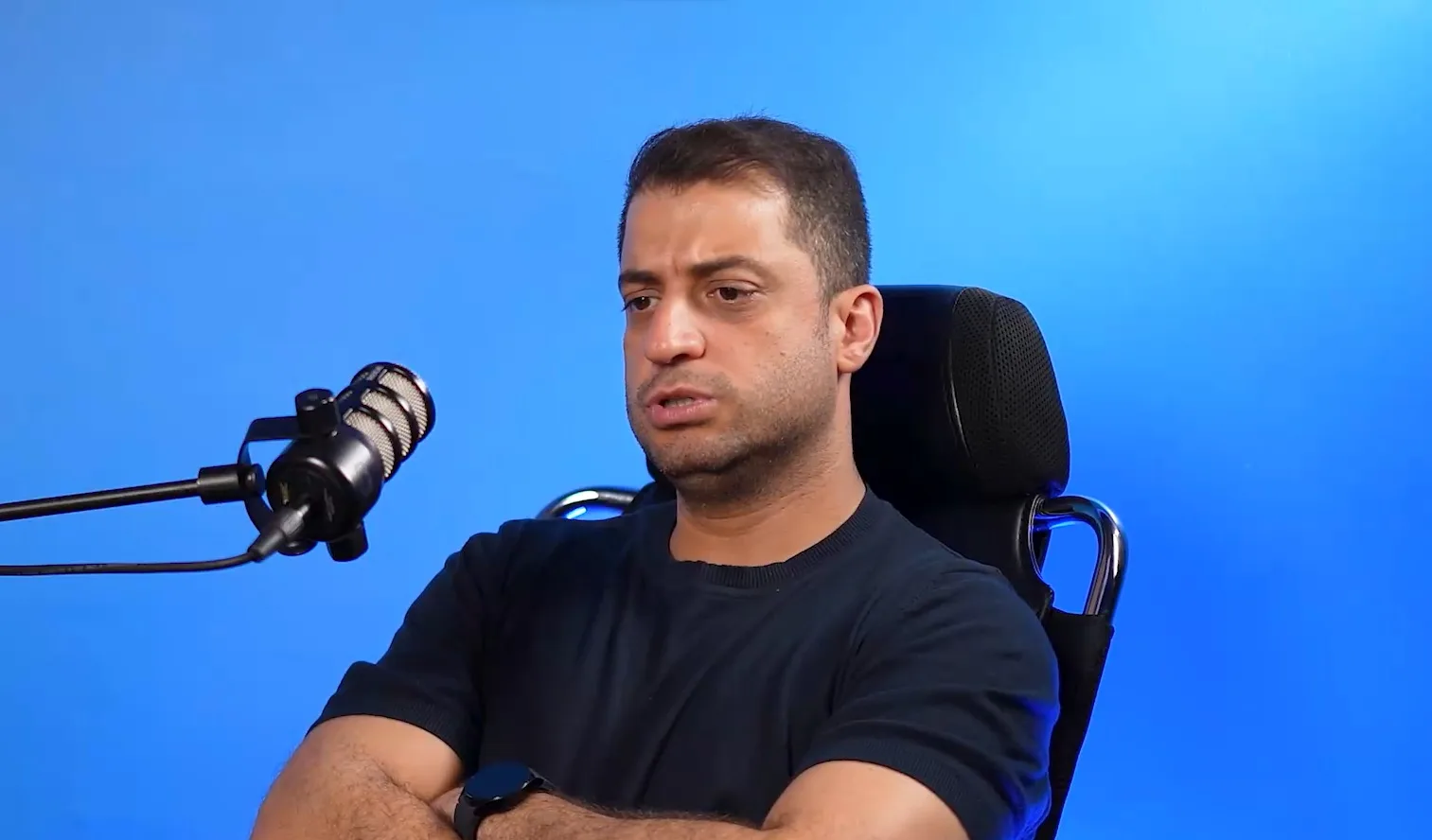
In an interview with Digiato, Afsharkohan said improvements in quality had not kept pace with the expansion of operations. That did not necessarily mean service had deteriorated, he stressed, but it remained short of the company’s ambitions.
The account highlights the challenge facing a delivery platform as it scales alongside online retailers: attracting enough couriers to meet demand while ensuring that orders arrive on time and customers can get help when something goes wrong. Afsharkohan identified on-time delivery, order completion and support as priorities for the next three years.
How Golrang and the merger helped Alopeyk scale
Afsharkohan credited joining Golrang, the business group behind several Iranian consumer platforms, with helping Alopeyk expand its operations and reshape its management. Demand from group businesses, including online grocery service Okala, transport platform Tapsi and food delivery service TapsiFood, provided a base for faster growth, he said.
He also acknowledged the contributions of Alopeyk’s founders and earlier investor Sarava. Golrang’s role differed from that earlier phase, he said, while Alopeyk retained independent management and strategy within the group.

The merger with fellow delivery company Zap brought together complementary networks. Zap had focused on short-distance grocery and restaurant deliveries, while Alopeyk handled urgent deliveries over a wider range of distances within cities.
Afsharkohan said combining the businesses reduced costs, improved resource use and consolidated overlapping organizational roles. The larger courier network was the most important benefit, in his view: it allowed the businesses to pool supply rather than compete for some of the same orders and couriers. He described the merger as a way to compete at greater scale with the Snapp group, which operates rival delivery services.
The twentyfold growth figure is the chief executive’s account of operational expansion. The interview does not provide a detailed definition of the measure or separate growth in the existing business from the volume added through the merger.
About 800,000 deliveries in three days
Afsharkohan said Alopeyk delivered about 800,000 orders during the final three days of the Iranian month of Mordad, in late August. The three-day total illustrates a period of high demand; it does not establish the company’s normal daily delivery volume.
Many of those orders are on demand, with customers expecting a short wait, sometimes less than 30 minutes. Handling that workload requires both the technical ability to process incoming orders and enough available couriers to complete them.
He said Alopeyk had worked on its courier app, earnings model and operational processes to attract and retain couriers in a competitive market. Couriers are both customers and partners of the platform, in his account, and their experience directly affects the service received by people placing orders.
Afsharkohan also cited a recent peak of about 600 deliveries a minute. He said the platform operated through the three-day record without an outage or serious disruption, while acknowledging that its technical infrastructure would require further investment.
Service quality and deliveries beyond city limits
Alopeyk’s next three years will put greater emphasis on quality after a period focused on operational scale and revenue growth, Afsharkohan said. Customers can switch to competitors if they are unhappy, making more reliable delivery and better support essential to sustaining the business.
He argued that expanding online shopping could also increase demand across the delivery market, rather than growth coming only at competitors’ expense. In his view, better logistics can help online businesses grow by reducing the barriers to serving customers.
Alongside those improvements, Alopeyk is developing AloPost, an intercity parcel service for individuals and small sellers, including shops operating through Instagram. Afsharkohan said it had reached the minimum viable product stage: an initial version of the service, rather than a fully developed offering.
He said AloPost was designed in cooperation with Iran’s National Post Company and other postal providers. Larger customers already had access to Alopeyk’s intercity business services; the new product is intended to extend that option to smaller users.
A second logistics business is also at the minimum viable product stage, but Afsharkohan did not disclose its details. The broader plan includes postal, courier and order-fulfillment services, with Alopeyk handling parts of the process and working with existing providers for others.