
Bank Melli executive calls for clear limits on AI shopping in Iran
Bank Melli’s Sadegh Sepandarand says AI shopping in Iran needs verifiable payment permissions, limited access to funds and clear responsibility when purchases go wrong.

Latest from Interview


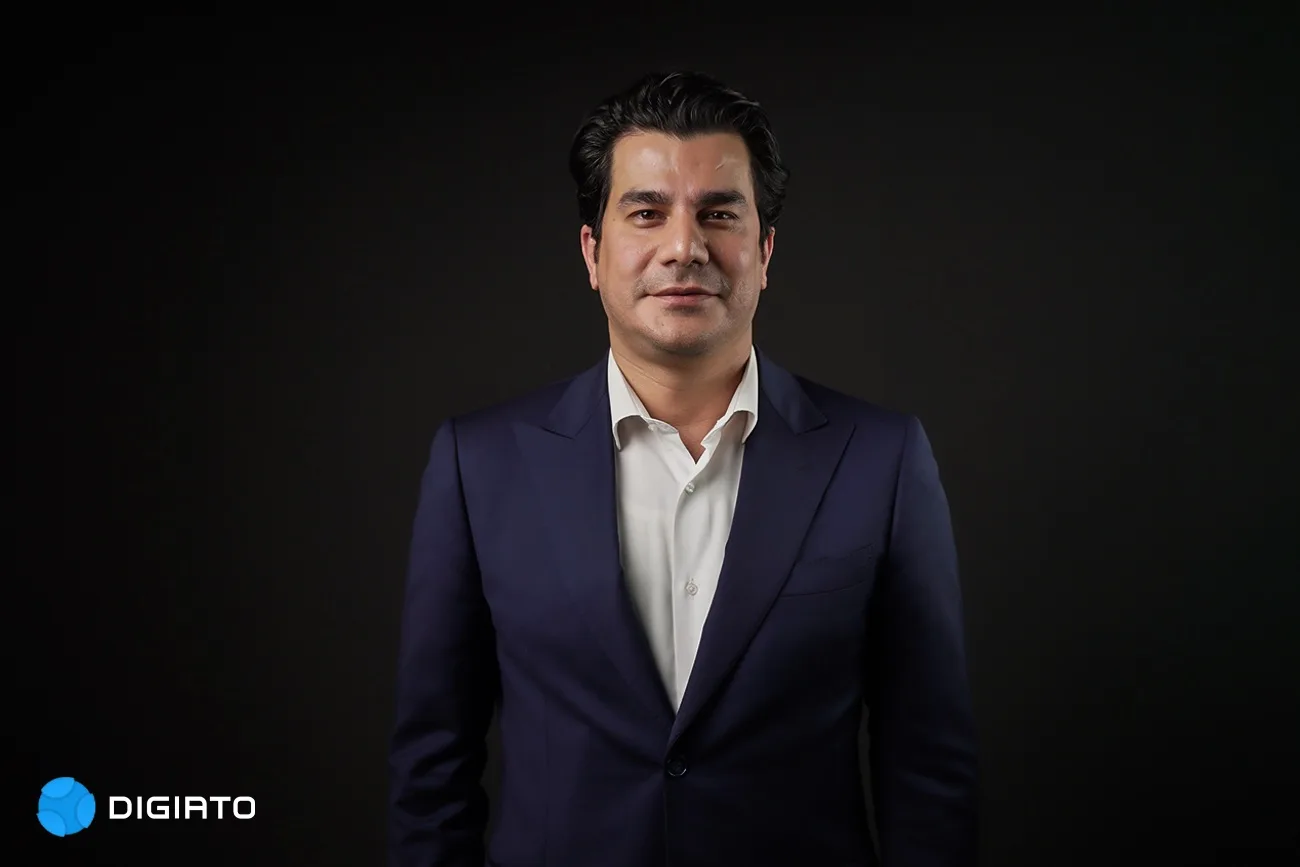
AI shopping in Iran will require payment permissions banks can verify and limits customers can control, Bank Melli executive Sadegh Sepandarand said, pointing to existing direct-debit services as a possible starting point.
In an interview with us, Sepandarand, the bank’s director general of retail and small-business banking, said an assistant’s ability to find a product does not settle how it can pay for it. Banks must establish who authorized a transaction, what the permission covers and who handles a purchase that goes wrong.
The questions have gained relevance with OpenAI’s introduction of ChatGPT Wallet on Nov. 13. The initial rollout is for U.S. ChatGPT Pro subscribers aged 18 and older with eligible U.S.-issued cards. Users approve each purchase, while payment tokens keep actual card details from the agent and merchant. That availability excludes users in Iran; the domestic question is how an Iranian assistant could connect to local payment services.
From choosing a product to authorizing a payment
Consider a customer asking an Iranian AI assistant to find headphones within a budget. The assistant can search stores and compare prices without access to the customer’s bank details. Telling it to buy a selected pair creates another requirement: a payment instruction the banking system can recognize as valid.
Sepandarand said banks need to identify the person issuing that instruction, the exact amount, the recipient and the limits of the assistant’s authority. With conventional online payments, an assistant may take an order to checkout, but the customer generally still needs to approve payment in a secure payment environment.
“The assistant accompanies the customer almost to the checkout, but in many cases getting through the checkout still requires the customer to be there,” he said.
Iran already has some experience with payments that do not require a separate approval for every transaction. In certain direct-debit services, customers authorize withdrawals in advance within agreed conditions. Whether that approach can support a particular purchase depends on the service terms, the permission granted and the connection between the bank and seller.
Sepandarand also pointed to the central bank’s issuance of rules for an account-based payment service called Pol-Pay. He said developing such payment methods could broaden the available options. Account-based payment capability, however, does not by itself establish a system for issuing and controlling AI assistants’ permissions.
Changed prices and failed orders
A permission must remain meaningful when a purchase changes. If the price of the headphones rises before checkout, or delivery charges increase the total, the service needs to know whether the original authorization still applies or the customer must approve again, Sepandarand said.
“Does the permission apply only to these headphones? Does the amount include delivery?” he asked. Such details, he said, can determine whether a seemingly reasonable request constitutes a valid banking instruction.
Payment services also need to connect to one another. A bank may support direct debit while the seller does not use that service. A store may accept a particular wallet that the assistant cannot access. Risk-detection systems must also recognize legitimate transactions initiated by agents.
Responsibility for errors needs to be defined from the start, Sepandarand said. An assistant could buy the wrong model or be misled by inaccurate product information. A customer could also be charged without an order being registered.
In those cases, he asked, should the customer approach the bank, retailer, assistant provider or payment intermediary? Customers see the purchase as one service and should not have to move among several organizations to find someone responsible, he said.
A funded wallet could restrict access to money
Sepandarand said digital wallets could offer a useful starting point, particularly for purchases with limited value and risk. Customers could put a set amount into a wallet instead of giving an assistant access to their main bank account, then specify when and where it may spend.
An authorization could permit the purchase of headphones from one seller up to a set price. The potential benefit is a limit on the money available to the assistant, provided the wallet can technically enforce those restrictions.
A wallet would still need a secure connection to the assistant and support for limited permissions. Merchants would have to accept it, while customer identification, recordkeeping and dispute procedures would remain necessary.
Transaction ceilings could also restrict what customers can buy. Sepandarand cited the Iran Wallet service, whose per-transaction limit was announced at about 5 million tomans when it was introduced. A product costing more than that would have exceeded the service’s announced limit at the time. That historical figure is specific to the service, may since have changed and should not be treated as a limit applying to all wallets.
The proposed funded-wallet approach differs from ChatGPT Wallet, which connects to a payment card rather than holding a stored balance, as OpenAI’s terms explain.
Sepandarand warned against training customers to give AI assistants one-time passwords, full card details or unrestricted access to bank accounts. The aim, he said, should be to let assistants act within an authorized scope without handing over the customer’s entire payment instrument.
Permissions customers can withdraw
OpenAI has described future plans for purchases delegated within limits such as spending caps, categories and time periods. Sepandarand likewise called for authority that is limited, explicit and revocable.
For example, a customer could authorize a particular headphone model, with a specified warranty, for a final price below 7 million tomans. The permission would need to say whether delivery is included, when the authorization expires and whether the assistant may substitute another model if the chosen one is unavailable. Purchases outside those conditions would require renewed approval. Customers would also need access to payment records and a way to cancel earlier permissions.
Sepandarand said conflicts of interest would be another test of trust: customers should know whether an assistant recommends headphones because they match their needs and budget or because the sale generates a higher commission.
“Real intelligence is not just having the assistant shop for us,” he said. “It is knowing the basis on which it made the purchase and being able to define, track and, if necessary, stop its authority.”