

Iran’s Telecoms Minister Rejects Cyberattack Rationale for Wartime Internet Shutdown
Iran's ICT minister says the wartime internet shutdown was not driven by cyberattack fears, and that citing them signals weakness.

Latest from Interview


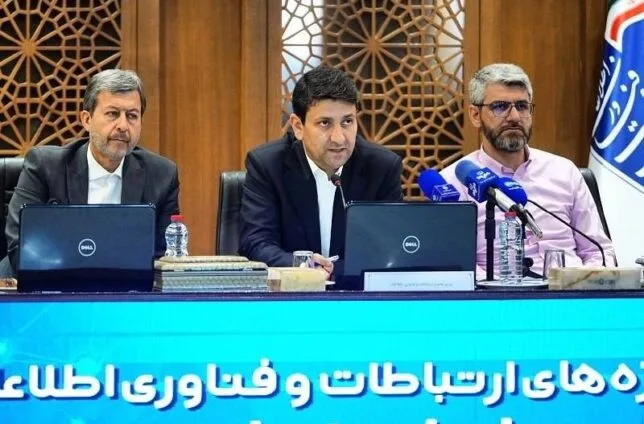
Iran’s minister of information and communications technology said the internet shutdown imposed during the recent war - a near-total cutoff of the country’s international traffic - was not driven by fear of cyberattacks, and that offering that explanation would itself signal weakness.
Sattar Hashemi spoke at a meeting with digital-economy businesses in Isfahan.
Who said we can’t protect our cyber assets?
Officials understand the country’s security situation and the war imposed on it, Hashemi said, but stating precise and transparent reasons is better.
Shutdown decisions in Iran do not rest with the telecoms ministry. Internet policy is set above it by the Supreme Council of Cyberspace, the state body whose rulings bind the ministry rather than the reverse, and by security agencies, which makes a serving minister’s public rejection of the security rationale unusual. Iran’s most recent blackout began on Jan. 8, 2026, tightened into a near-total disconnection after Israeli and U.S. strikes started in late February, and was not lifted until May 26. Businesses reported heavy losses across those four months.
Iran Fends Off Cyber Threats Daily, Hashemi Says
Iran faces cyber threats around the clock even in normal conditions, Hashemi said, and cybersecurity firms already protect the country’s infrastructure.
What the Minister Did Not Say
Hashemi did not say who ordered the shutdown, and offered no alternative reason for it. He addressed the explanation, not the decision. His criticism also reaches the public through state media - a state-run agency’s account of a minister faulting a state decision’s justification.
A Push for Private-Sector Input on Rules
Hashemi said the Computer Trade Organization, Iran’s IT industry trade body, sits in ministry decision-making sessions and in the regulatory commission that sets telecom rules, and that a special cyberspace headquarters has been formed with the trade body and the chamber of commerce.
Any data rule should help solve a problem rather than exist simply so that a law has been passed, he said, and none should be imposed without the involvement of stakeholders and the private sector.
The state’s role should be to facilitate and clear obstacles, Hashemi said: “If you are waiting for the government to do your marketing for you, change your outlook.”