

War Damages More Than 500 Communications Sites in Iran, Deputy Minister Says
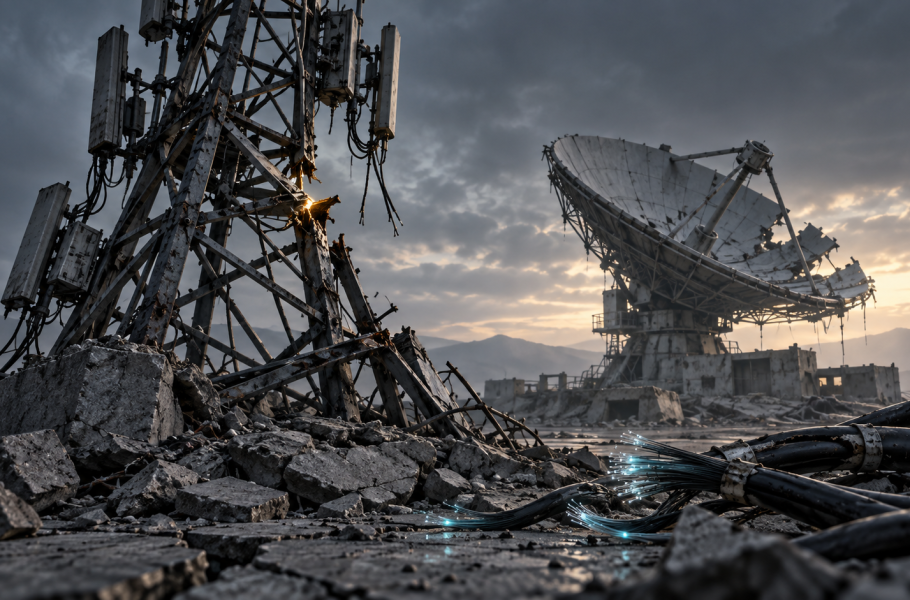
War seriously damaged more than 500 communications sites and 15 telecom centers in Iran, a deputy minister says, alongside damage to several space facilities.

Latest from Interview


More than 500 communications sites and 15 telecom centers in Iran suffered serious damage during the war, a deputy communications minister said, putting direct losses to the ministry and its affiliated organizations at 30 trillion tomans and $27 million.
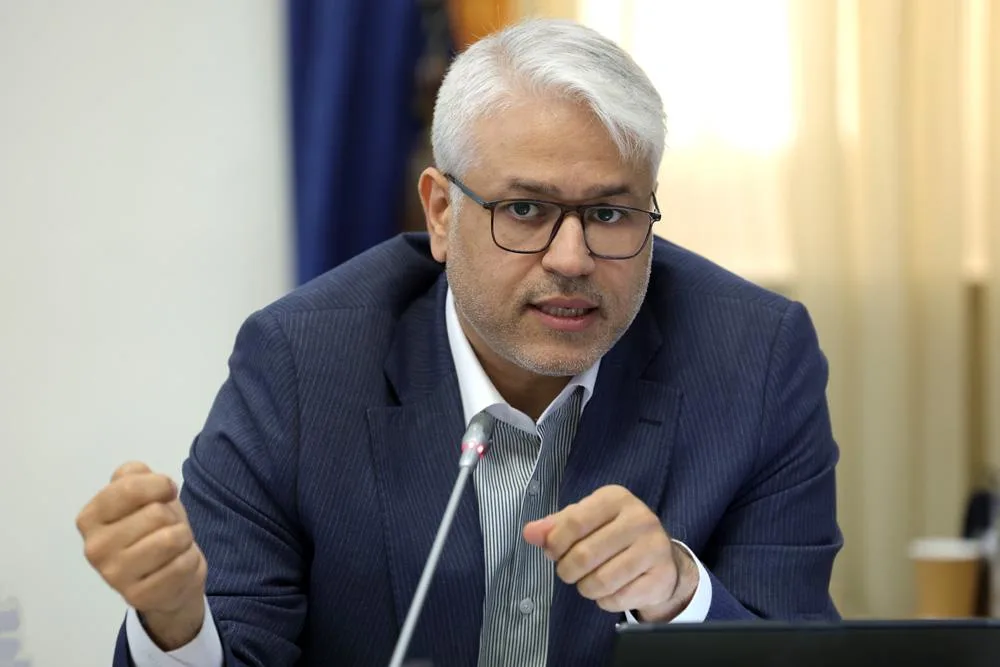
Ehsan Chitsaz, the deputy minister responsible for ICT and digital-economy development policy and planning, also reported damage to space facilities in Mahdasht, Salmas and Qeshm, the Bushehr ground station and the Iranian Space Research Center.
Chitsaz presented the figures at a Tuesday meeting attended by the communications minister and members of parliament’s Planning and Budget Commission, the state news agency IRNA reported.
The 30 trillion-toman figure is equivalent to roughly $114 million on October 7, 2026, of about 263,000 tomans per dollar. Chitsaz separately cited $27 million in dollar-denominated losses.
Development funding falls short
Alongside the damage assessment, Chitsaz said Iran needs $7 billion in government investment to expand the National Information Network, its domestic digital infrastructure, and meet obligations under the Seventh Development Plan. He linked that investment to the Iran Boom project and targets for the digital economy’s share of national output.
Only 35% of projected revenues had materialized, he said, despite work by the Information Technology Organization.
Chitsaz said about 80% of the ICT sector’s inputs depend on exchange rates, while unchanged tariffs and their failure to keep pace with costs have increased pressure on investment.
He cited mobile operator Hamrah-e Aval, also known as MCI, saying its market capitalization had fallen from more than $20 billion at its initial public offering to less than $400 million. He said the operator needs $2 billion in annual investment to maintain network quality, arguing that the funding imbalance has slowed improvements to services and the rollout of 5G.
Ministry cites continued services
Chitsaz said the ministry had maintained services despite financial constraints. It provided more than 1 trillion tomans in support for domestic messaging platforms during the period, despite the spending not being anticipated in the budget, he said. He linked that support to traffic exceeding 2 billion messages a day.
He also said 3 million school students had received training in artificial intelligence and the digital economy.
For digital government, Chitsaz reported more than 1 billion government messages sent through the national smart-government services portal and 16 billion e-government transactions. He described the government-services network as fully stable.
Space, data centers and AI among priorities
Chitsaz called for dedicated, sustained funding for AI infrastructure, distributed data centers including hubs in Mashhad, Fooladshahr and Alborz, cybersecurity, communications-satellite launches and expansion of the National Information Network.
The Iranian Space Research Center, one of the institutions he named as damaged, is also testing Iran Zamin, a geospatial platform intended to provide access to satellite data and processing tools.
He put the digital economy’s share of GDP at 7.14% and said he hoped participation by private businesses and the public would help raise it to the plan’s 10% target. Underinvestment in the network’s core was placing heavy pressure on digital-economy platforms, he said, calling for tariff reform and sustainable financing models to address the imbalance.