
Three AI Operators in Iran Set for Initial Approval Despite Industry Objections
Three AI operators in Iran are due for initial approval within a month, the minister says, despite business groups’ objections to the licensing rules.

Latest from Interview


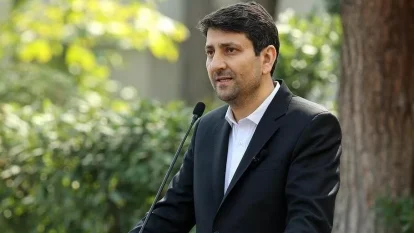
Three companies have reached the final selection stage to become artificial intelligence operators in Iran and will receive approval in principle within a month, Communications Minister Sattar Hashemi said, despite private-sector objections to the licensing rules.
The announcement moves the ministry’s plan for AI infrastructure providers closer to initial approval. Business groups, however, are asking the government to pause the rules, arguing that their requirements and scope could create obstacles for smaller businesses developing AI products and services.
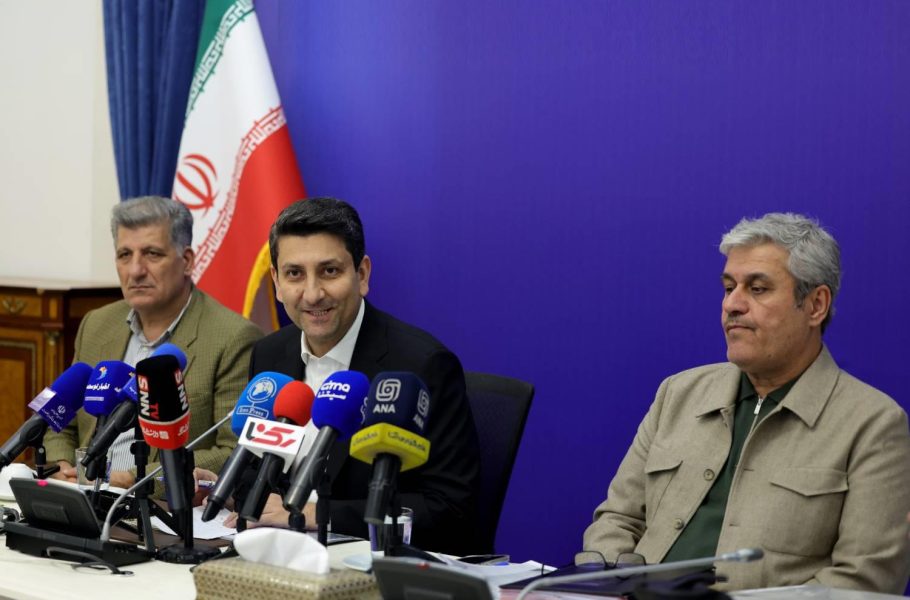
Speaking at a joint meeting with members of parliament’s Planning and Budget Commission, Hashemi said the ministry had been assigned responsibility for developing AI computing and storage infrastructure under a national division of responsibilities.
Given limited resources, he said, the ministry was seeking to make the greatest possible use of private-sector capacity. Several companies had expressed interest in becoming AI operators following expert studies, and three had reached the final stage.
His remarks set a timetable for approval in principle, rather than announcing that the approvals had already been issued or that the operators had begun work. He did not identify the three companies in the remarks reported here.
Business groups seek a pause
The Tehran Chamber of Commerce and the Tehran E-Commerce Association have questioned the clarity of the rules. In a letter to First Vice President Mohammad Reza Aref, the chamber called for implementation to be halted while its concerns were reviewed.
The chamber’s objections include the distinction between large infrastructure operators and companies that develop AI applications. In its letter, it warned that applying a single licensing framework to computing infrastructure, software services and AI models could overlook differences between those activities and make market entry harder for smaller firms.
Ali Hakim-Javadi, head of Iran’s ICT Guild Organization, which represents technology businesses, has also said that the organization, particularly its AI commission, found problems with the rules. He said it was prepared to help revise and complete them.
In an interview with Digiato, Maziar Noorbakhsh, who chairs the Tehran chamber’s commission for transformation, innovation and productivity, said the rules specify obligations for applicants without making clear what benefits license holders would receive.
He also warned that the framework could cause problems for small and medium-sized enterprises, which he described as a driving force in AI development, unless the rules explicitly exempted them.