

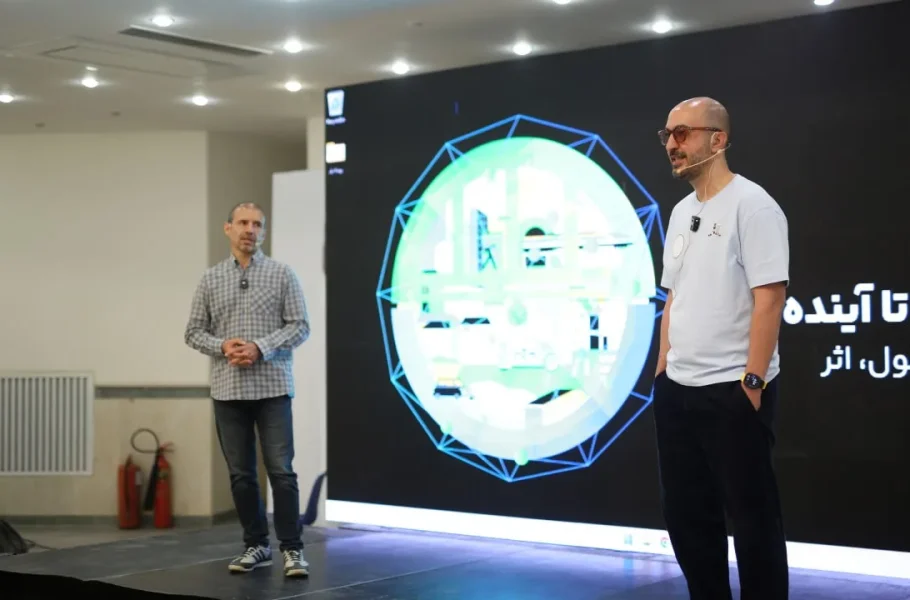
Chargoon’s Pol program explores ideas beyond its existing software products
Forty-three teams developed prototypes and business concepts through Chargoon’s Pol program. Some ideas could receive investment or become new companies after a follow-up showcase.

Latest from Interview


Chargoon, an Iranian enterprise-software company, has completed the in-person phase of its Pol innovation program, with 43 teams exploring ideas both within and beyond its current product portfolio. The company says some projects could receive investment or develop into new businesses after a follow-up showcase.
The program combined training and team formation with three days of in-person work. Teams presented their ideas as prototypes, proofs of concept, clickable mockups, scenarios describing possible futures, or business models.
Chargoon’s existing software covers areas including office automation, human resources, finance and business-process management. Pol gave teams scope to reconsider those products and pursue opportunities outside the company’s current activities. Projects also addressed functions such as sales, marketing, debt collection, customer support and security.
“Our goal was not to find one golden idea,” chairman Shahin Tabary said. Instead, he said, the company wanted people across the organization to practice anticipating change, collaborating and building ideas beyond the boundaries of its existing business.
Speaking to Digiato, Tabary argued that AI makes prediction cheaper and that companies should consider its potential to transform how they work, rather than use it only as an assistant. He said broader thinking about AI could create value even when an idea cannot immediately become a product.
Although teams used AI, Pol’s remit extended to organizational foresight and collaboration across disciplines. Four training sessions preceded the in-person phase, where five mentors supported teams in business, product development, design, technology and AI.
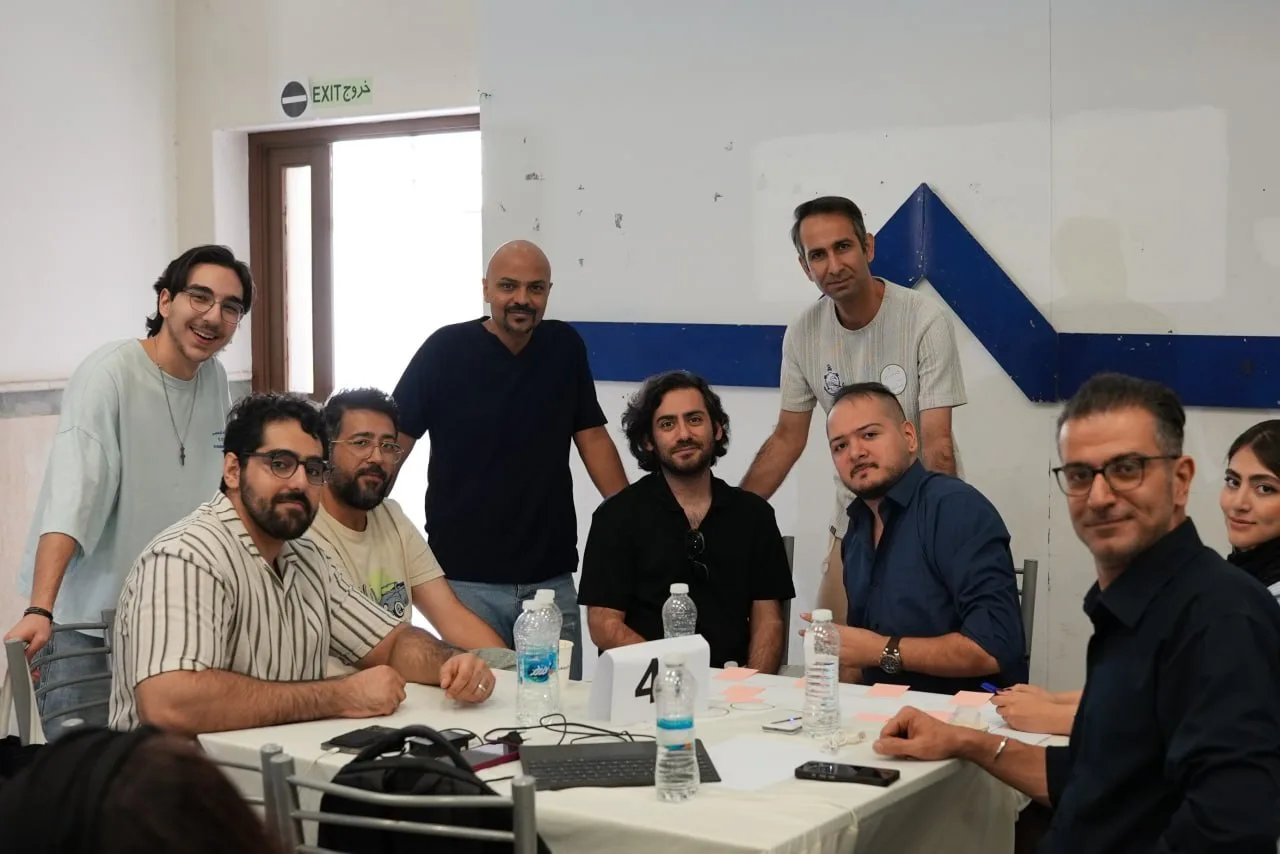
The 43 teams submitted their work in a standard format. An initial review combined AI assistance with human assessment, after which selected teams presented to a judging panel. Finance Pol, Pol-e Moallaq and Veresk placed first, second and third, receiving 150 million, 60 million and 30 million tomans respectively.
Chief executive Farzad Rahmani said none of the submitted projects would be abandoned. Chargoon says selected teams and those interested in continuing will be able to refine their work and present more developed versions at a demo day approximately 60–70 days after the in-person phase.
Tabary said investment decisions would depend on those presentations. Some ideas with the potential to become standalone businesses could operate as new companies under Chargoon. Those possibilities remain prospective: no investment amounts or descriptions of the winning projects were disclosed in the reporting.