

Fiber covers 11.3 million households in Iran, but fewer than one in five are connected
Fiber covers 11.3 million Iranian households, but connections equal only 18.69% of coverage, according to the regulator, as officials refocus the rollout on adoption.

Latest from Interview


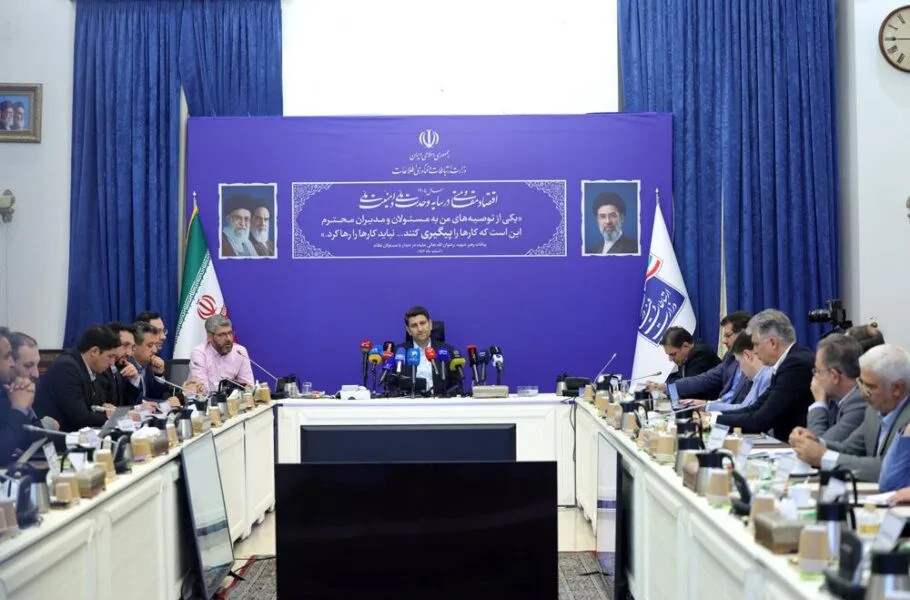
Fiber service is available to 11.3 million households in Iran, but the number of connections is equivalent to fewer than one in five covered households, the country’s telecom regulator said at a project review on September 29.
Hamid Fattahi, head of the Communications Regulatory Authority, said connections had risen from about 330,000 at the start of the current administration to more than 2 million. Coverage grew from about 8 million to 11.3 million households over the same period. He put the connection-to-coverage ratio at 18.69%, up from 4.18%.

The figures explain a change in the government’s approach to fiber: making service available to a household is no longer enough to count as progress if the household does not connect. Fattahi said the project’s revised priorities include actual connections, major cities and migration from copper lines.
Communications Minister Sattar Hashemi also wants fiber to carry a larger share of internet traffic. He said mobile networks currently account for 80% of traffic and fixed networks for 20%; the government’s target is an even split. He described that goal as ambitious.
Operators point to costs and competition
Hashemi argued that sustainable network investment requires a change in telecom pricing. He called for a mechanism that would adjust tariffs annually in line with inflation, exchange rates and other economic indicators, without requiring a fresh regulatory decision each time. The proposal did not establish a new tariff or an implementation date.
Operators described the financial pressure in different terms. Irancell’s chief executive, Mohammad-Hossein Soleimanian, said fiber projects now take 13 to 15 years to recoup their investment, even before depreciation is counted. Asiatech chief executive Mohammad-Ali Yousefizadeh said fiber incentives had failed to keep pace with rising costs and had also been paid late. Those assessments were presented by the companies at the meeting.
Competition was another point of dispute. Figures presented at the meeting put the Telecommunications Company of Iran at 1.8 million fiber connections, far ahead of other operators. Yousefizadeh said rivals remain too dependent on the company’s fixed-line infrastructure. Fattahi said revised bitstream rules are intended to let other licensed operators use that infrastructure competitively.
Decisions still to come
Hashemi said legal obstacles had delayed access to a fiber development fund and that the ministry would pursue provisional incentive payments while the issue is resolved. He said the fund’s operating mechanism should be settled by late October.
The minister also identified municipal excavation permits as a barrier, particularly in Tehran and other large cities. He called for talks with Tehran officials and the first vice-president, with progress to be reviewed at the next fiber project meeting.