
Starlink could operate in Iran if it accepts local rules, regulator says
Iran’s telecom regulator sets conditions for Starlink and possible internet price rises, while reporting more than 2 million fiber connections.

Latest from Interview


Starlink could operate in Iran if it accepts the country’s territorial regulations, telecom regulator Hamid Fattahi said Sunday, outlining a conditional route for satellite providers as domestic networks struggle to keep pace with demand.
Fattahi, head of the Communications Regulatory Authority and a deputy communications minister, said Iran would welcome operators that meet those requirements to help address network capacity shortages. Talks with several international companies were underway, he said.
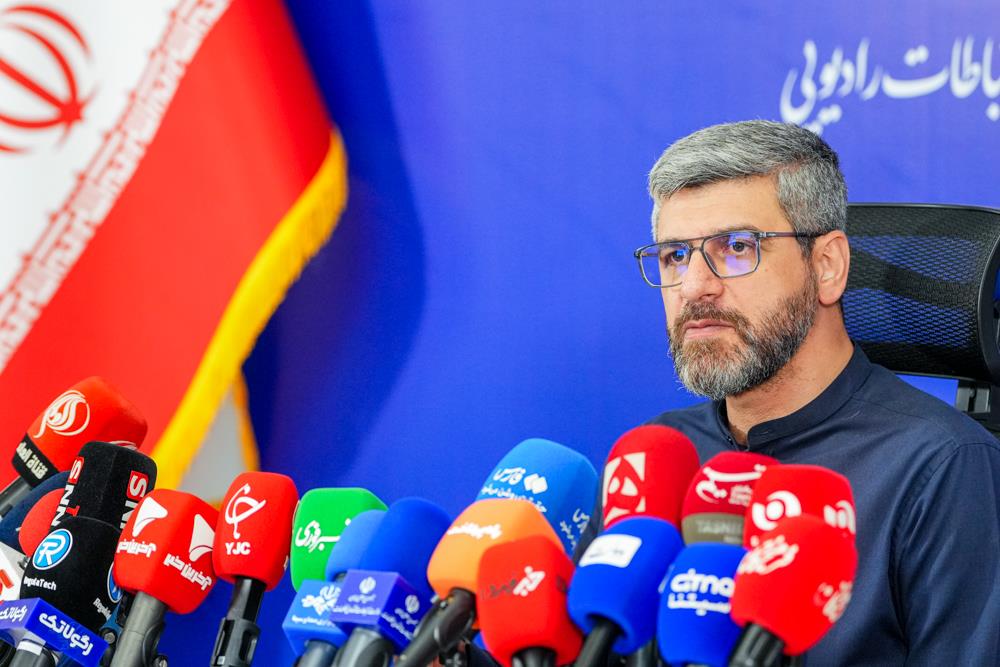
Speaking at an Oct. 18 press conference, Fattahi said satellite providers need territorial authorization, often called landing rights, and accused Starlink of operating outside International Telecommunication Union rules.
The ITU’s Radio Regulations Board has urged Norway and the United States to act to stop unauthorized Starlink terminal transmissions in Iran. The board has also said it lacks authority to suspend satellite frequency assignments for a notifying administration’s failure to comply with the relevant resolution. ITU regulatory record
Asked about disabling Starlink, Fattahi referred questions to the secretary of Iran’s Supreme Council of Cyberspace. The remarks follow that official’s claims that Iran had tested systems to locate and disrupt Starlink terminals.
Price increases would require service commitments
Operators have requested internet tariff increases of up to 100%, but the regulator has not settled on a figure, Fattahi said. Any increase would be phased and conditional on binding commitments to improve service quality and expand infrastructure.
He said some essential inputs, including fiber-optic cable, had become as much as 10 times as expensive since the previous year’s 38% tariff increase. Operators’ rising costs were weakening incentives to invest, he said, while household affordability remained a constraint on pricing decisions.
Fattahi attributed the wider deterioration in connectivity to years of investment failing to keep pace with data consumption. He contrasted that with the introduction of 4G, when he said two mobile operators invested more than $2.5 billion in equipment and sites within a short period.
Repeated power cuts were also taking sites offline, including those with new batteries, because outages left too little time to recharge, he said. Radio-frequency interference, GPS disruption and aging copper lines were further problems.
Fiber policy shifts toward actual connections
Fattahi said the fiber-to-the-home program had shifted from recording coverage to connecting buildings, with greater attention to large cities. A copper-to-fiber migration program with the Telecommunication Company of Iran was another priority.
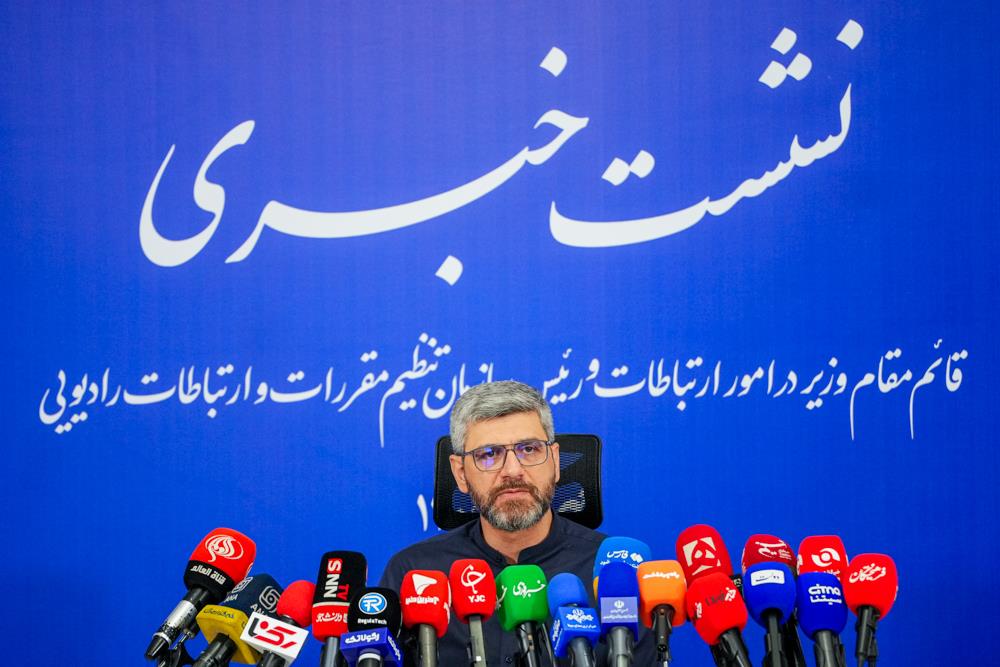
He reported that connected fiber subscribers had risen from fewer than 400,000 to more than 2 million. He also reported growth in connections to schools of 1,000%, banks of 370%, hospitals and medical centers of 160%, government bodies of more than 300% and industrial parks of 46%.
Fattahi said reliance on mobile data was putting pressure on urban networks. He described a 70% fixed-network and 30% mobile split as the international benchmark, with the pattern reversed in Iran. The administration aims to bring fixed and mobile traffic closer to an even split by the end of its term.
Migration and wholesale bitstream rules were intended to protect competing operators’ market access, he said. A new monitoring system, Noursa, tracks stages from excavation permits to financial incentives. The ministry had also supplied resources to keep the fiber development fund’s incentive payments running despite administrative and budget obstacles.
Tehran excavation dispute reaches the president
Fattahi accused Tehran’s municipality of obstructing fiber deployment through disputes over excavation permits and fees. He said the city rejected the regulator’s authority to set those charges, despite obligations he cited under Article 65 of Iran’s Seventh Development Plan.
Talks between the communications minister and Tehran’s mayor had failed to resolve the dispute, he said. The matter had reached the Cabinet, and the president had instructed the first vice president to resolve the legal and practical obstacles.
Fattahi said Tehran had the highest demand for data traffic, the most complaints about falling speeds and the greatest concentration of radio-frequency interference.
5G expansion and eSIM conditions
An auction had allocated 200 megahertz of spectrum to two mobile operators, addressing what Fattahi called the main obstacle to 5G expansion. He reported more than 500 newly activated 5G sites and 30% growth in the sector.
The regulator and operators aim to provide 5G coverage to 25% of the population by the end of the Iranian year, in March 2027, he said.
Final permission for public eSIM services would depend on operators guaranteeing continuity of service, including against disruption linked to sanctions. Fattahi said the regulatory framework had been sent to operators, but services must be able to remain available after launch.
He also said the Supreme National Security Council had issued a resolution to limit and organize radio-frequency interference, and that regulatory monitoring systems could identify sources of jamming.
Rightel sale and AI infrastructure licensing
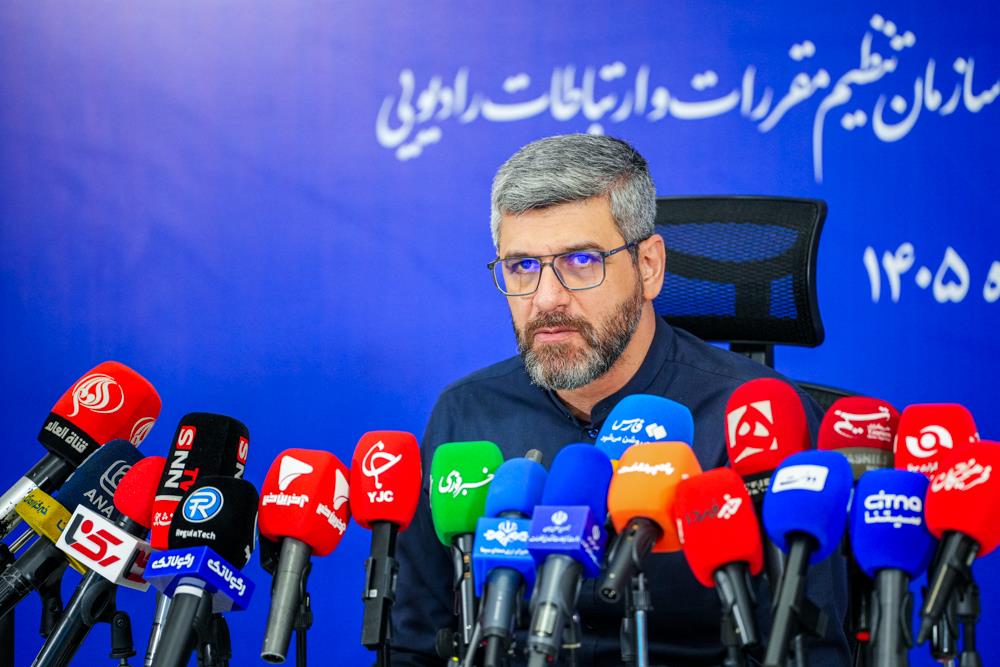
Fattahi said a decision had been made to transfer Rightel’s shares to the private sector. He described the third mobile operator as an asset belonging to the Social Security Organization that had failed to gain a significant market share because of structural and management problems.
A buyer would need financial capacity, technical knowledge and management experience in information technology. It would also have to begin meeting overdue license obligations, particularly 5G site construction, immediately after taking control, he said.
A new rule makes professional qualification checks for operator chief executives and board members retroactive, with a five-member committee conducting the assessments, he added.
Fattahi said an initial approval for an artificial intelligence operator was close to issuance, focused on infrastructure, computing and data centers. He said rules for security and AI operators had been approved and promised revisions addressing private-sector criticism of the AI framework within a week of the briefing.
The regulator had consolidated 17 fiber-related decisions into six, he said, and had begun adopting a more collaborative model of regulation involving industry groups and private businesses. He said more than 90% of the country’s operator structure was administered independently of the Communications Ministry, while consumer protection remained the regulator’s priority.
Data allowances and unlicensed postal services
Fattahi said independent regulatory monitoring had found no proven case of deliberate, systematic manipulation of customers’ data allowances. He threatened penalties if violations were established and said most complaints to the 195 reporting system concerned speed fluctuations rather than missing data volume.
He also said cases involving unlicensed parcel-service operators had been referred to the prosecutor general and the General Inspection Organization. He accused other bodies of issuing unauthorized permits that had enabled violations including smuggling, and said the telecom regulator was the sole legal authority for postal licensing.