
Tehran GPS Disruption Intensifies, Breaking Navigation Apps Across the City
No official account of why the interference intensified had been published

Latest from Interview


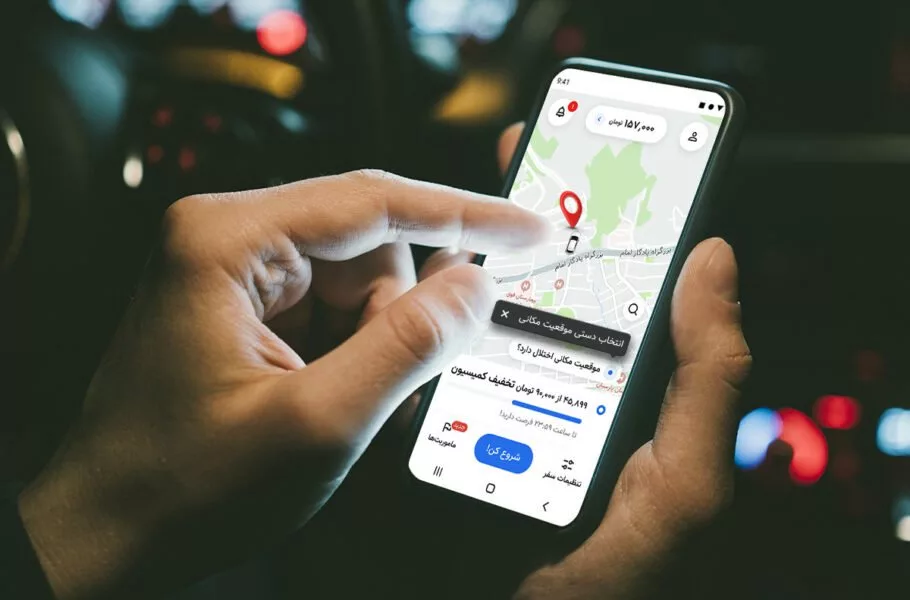
GPS service across Tehran deteriorated sharply on Aug. 24, leaving navigation apps unable to place users accurately and disrupting the ride-hailing services that depend on them, according to Digiato's reporting and accounts from users across the city.
A Digiato reporter encountered the failures directly while moving around Tehran, and users in different districts reported the same pattern, indicating a problem spread across the city rather than confined to one area.
Positions jumped between locations, failed to match where people actually were, or shifted continuously. Apps were slow to acquire a fix and could not update routes, making accurate directions impossible.
Drivers for ride-hailing apps have been among the worst affected, because both accepting a fare and completing a trip depend on precise positioning. When the signal drops or the map places them somewhere they are not, some drivers have resorted to asking passengers for directions to the destination.
The disruption is a reminder of how much daily movement in a large city now rests on a single satellite signal. When positioning fails, the apps keep running - they simply no longer know where anyone is.
Six months of unreliable positioning
The problem is not new. GPS in Tehran has not returned to full stability since the war began, and in parts of the city the signal is permanently degraded. The severity fluctuates, worsening noticeably at certain hours.
That war began on Feb. 28, 2026, when the United States and Israel launched coordinated strikes on Iran - roughly six months before this week's deterioration.
No official explanation
No official account of why the interference intensified had been published as of Digiato's report.
Sustained GPS interference in and around Iran has been attributed to electronic warfare tied to the conflict, but responsibility is contested. Analysts have pointed both to coalition jamming during the strikes and to Iran's own use of spoofing as a defensive measure. Digiato's report identifies no cause.
Iranian authorities have addressed a comparable episode before. After the June 2025 war with Israel, GPS disruption persisted for roughly two months, and Iran's Ministry of Information and Communications Technology, the country's telecom regulator, said the interference was necessary for "security and military purposes," without elaborating.