

Iran’s communications minister calls for urgent review of IPv6 restrictions
Sattar Hashemi says restrictions need legal authorization and calls for Iran’s National Information Network to keep pace with global technology.

Latest from Interview


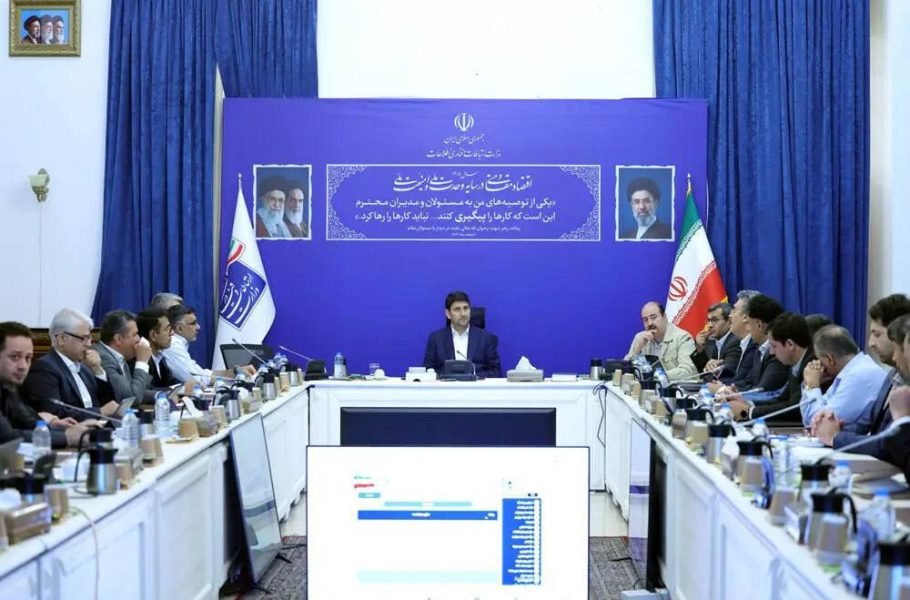
Iran’s communications minister, Sattar Hashemi, has called for an urgent review of restrictions on IPv6, saying there is no reason to impose them if no legal resolution authorizes them.
Hashemi made the remarks at a September 12 meeting of the steering council for the National Information Network, Iran’s domestic network development project, according to the government’s information portal. He said the project should keep pace with global technology rather than come into conflict with it.
“If there is no legal resolution restricting the use of this protocol, there is no reason to impose restrictions in this area, and the matter must be followed up and resolved quickly,” he said.
His remarks did not establish whether such a resolution exists or announce a timetable for lifting the restrictions.
IPv6 is the newer version of the Internet Protocol, which provides addresses for devices communicating over networks. It offers a much larger address space than IPv4, helping accommodate the growing number of connected devices.
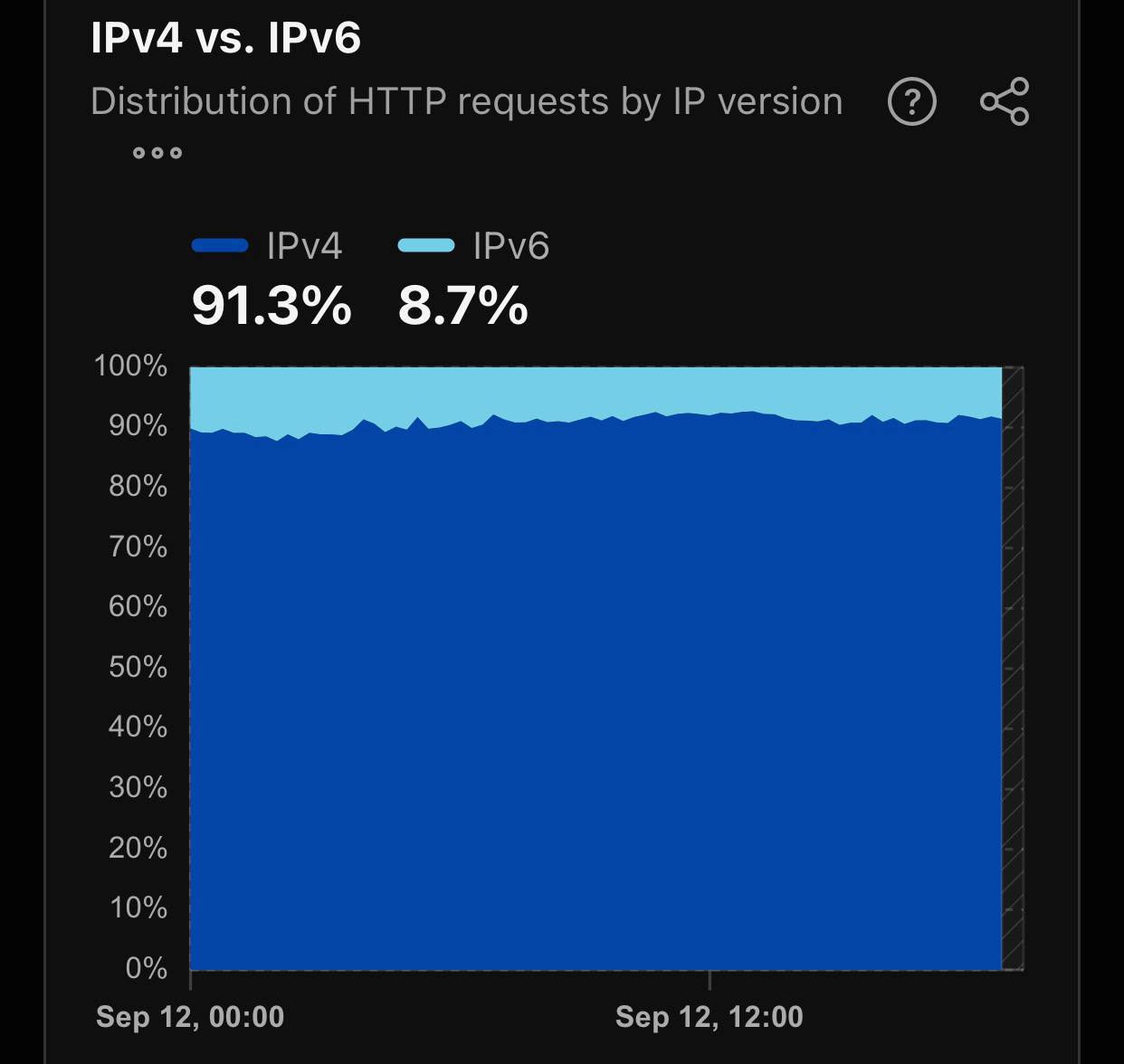
A Cloudflare Radar snapshot used for this report shows IPv6 accounting for 8.7% of the HTTP requests in its Iran data, compared with 91.3% for IPv4. The chart’s visible time axis shows September 12. These figures describe the requests in the displayed sample, rather than the share of all internet traffic in Iran.
Hashemi also argued against relying on a top-down approach to developing the National Information Network. He said the project needed effective participation from different sectors and should respond to the needs of people and businesses while keeping up with technological change.
The meeting included a report by the Information Technology Organization of Iran on IPv6, domestic search engines and services associated with the National Information Network. On search engines, Hashemi called for viable business models and links to other parts of the digital ecosystem, alongside the technical work needed to sustain those services.