
Blocked Since 2022, Instagram Is Iran’s Biggest Informal Storefront – 130,000 Shops, $1.4B
Licensed platforms led by Digikala want the import, tax and ad rules that drove sellers to Instagram eased

Latest from Interview


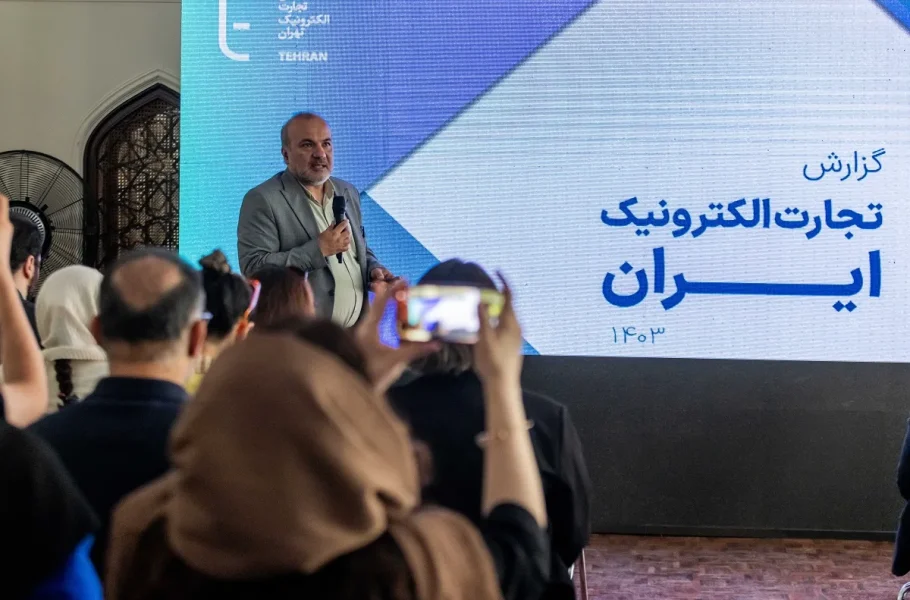
Instagram has been blocked in Iran since September 2022, yet it now hosts the country’s largest informal retail market. About 130,000 active Instagram shops sold an estimated 88.8 trillion tomans of goods in the Iranian year 1403, which ran from March 2024 to March 2025 - roughly $1.4 billion at the open-market exchange rate that prevailed during that period - according to a report released on Aug. 25 by the Tehran E-Commerce Association, Iran’s main trade body for internet businesses.
The estimate is the midpoint of a range from 76.6 trillion to 100.9 trillion tomans (about $1.2 billion to $1.6 billion), and it is about 10 times the size of the same market in 2018. At the same event, executives from Iran’s licensed online platforms asked the government for what they called equal competitive conditions, arguing that import limits, tax rules and advertising restrictions push sellers onto Instagram rather than onto regulated marketplaces.
The report offers a rare measured look at how state filtering - Iran’s system of court- and committee-ordered website and app blocking - reshapes commerce rather than ending it. Instagram remains reachable in Iran mainly through VPNs, the circumvention tools that most Iranian internet users keep installed. Mohammad-Mehdi Jafarian, chief executive of the analytics firm Bana and a contributor to the study, said the data showed that blocking Instagram had no significant deterrent effect, at least on the total size of the Instagram-shop market.
A market that grew through the ban
Researchers identified about 130,000 active Instagram shops by the end of 1403 and monitored roughly 68.8 million posts, then estimated market size through sampling, phone and text contact with sellers, and statistical modeling. Jafarian said the tenfold growth since 2018 was not solely a product of inflation and reflected real expansion in the number and turnover of shops.
Sales are heavily concentrated. The largest 20% of shops accounted for about 80% of the market’s sales, and the top 1% alone took 14.2%, according to the study. About a third of active Instagram shops are based in Tehran.
Farshad Fatemi, an economist who advised on the report, said periods of unrest had interrupted the market’s growth in recent years, and that mobile-phone sales had fallen from their pandemic peak as iPhone imports were restricted.
Fashion is where the gap shows
Fashion and apparel is the largest category on Instagram shops, with sales of about 24 trillion tomans (about $370 million) in 1403. Licensed platforms sold roughly 4.4 trillion tomans (about $68 million) in the same category, about one-sixth as much. Home and kitchen goods and craft and novelty items followed.
Amin Samiei, chief executive of SnappShop, the online marketplace of the ride-hailing company Snapp, said regulatory limits, pricing rules, taxes and advertising restrictions had given social commerce more room to operate in categories such as clothing, and that the gap pointed to how much room the category has to grow. He projected that e-commerce could rise to about 9% of retail within one to two years if those barriers were eased and platforms increased how often customers buy.
Still a shallow market overall
Online sales reached 5.6% of Iran’s retail spending excluding fast-moving consumer goods in 1403, up from 1.7% in 2018, or 4.8% including gold, against a total retail market of 1,663 trillion tomans (about $26 billion). The global average is 22.5% and China’s share is 38%, according to figures presented at the session. At 5.6%, licensed e-commerce is worth about 93 trillion tomans (about $1.4 billion) - only slightly more than the informal Instagram market the report measured alongside it.
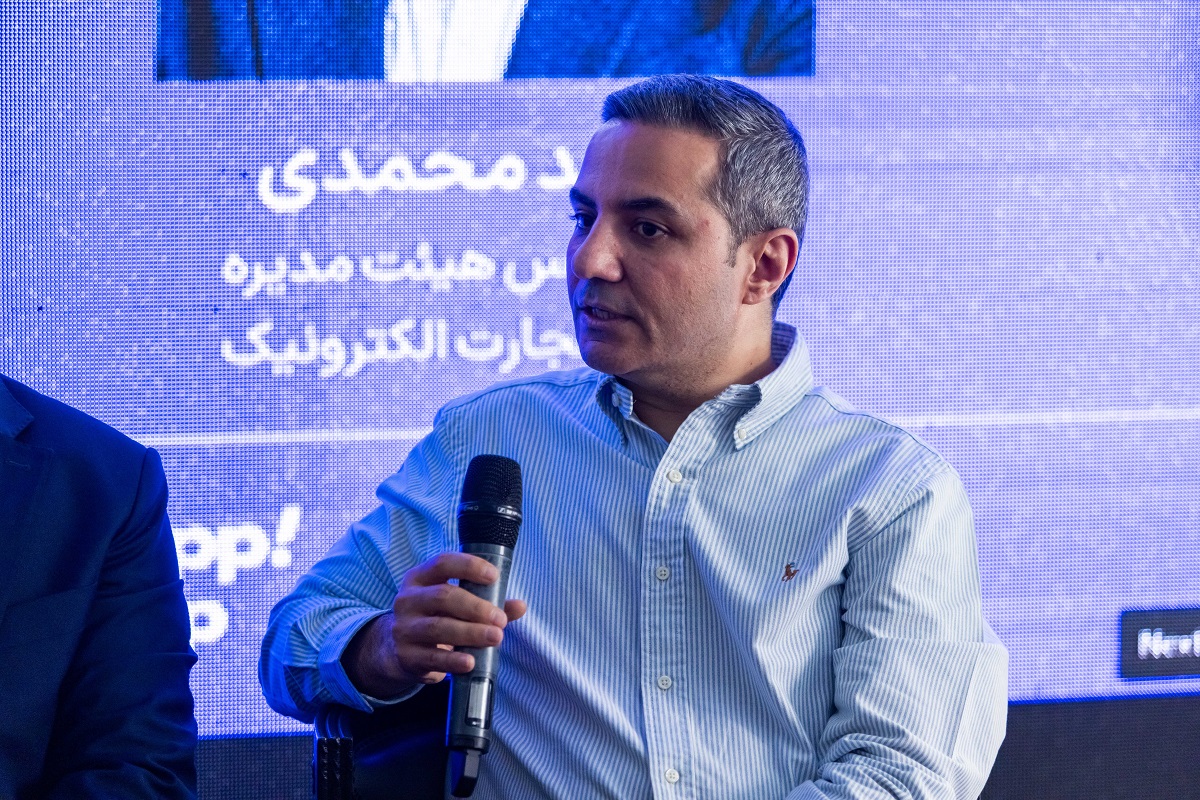
More than 50 million people use Iranian e-commerce platforms, and Digikala, the country’s largest online retailer and its closest equivalent to Amazon, has about 45 million users in a country of about 88 million. Even so, active shoppers make fewer than 10 online purchases a year on average. Saeed Mohammadi, the association’s vice-chairman, described the market as growing about 34% a year but still “shallow.”
Buy-now-pay-later services have expanded quickly, rising from close to zero of online orders in 2019 to 3% in 2021 and 25% in 1403. Mohammadi said the trend was helping lift online sales but could also signal weakening household purchasing power, while partly compensating for the absence of a widespread credit-card network in Iran.
Platforms want parity, not a crackdown
Masoud Tabatabaei, chief executive of Digikala, said many of the categories growing on Instagram - clothing, home appliances, cosmetics and branded goods - face supply constraints on licensed platforms because of import restrictions, product-display rules and taxes. He said licensed platforms did not oppose the growth of social commerce but wanted a level playing field, and that linking Instagram shops to regulated infrastructure would improve payment, delivery and buyer protection.
Ali Babaei, chief executive of the price-comparison site Torob, and Matin Ershadi, a senior marketing manager at TapsiShop, the marketplace arm of the listed ride-hailing firm Tapsi, both called for lowering the cost and complexity of moving an Instagram shop into the licensed system.
Tabatabaei said the main obstacle for the sector was uncertainty, and warned that pressing sellers for their data and tax details through opaque enforcement could drive them further into informal channels.