

From Control to Coordination: Why RegTech Is Central to Iran’s Digital Governance Debate
RegTech meeting highlights platform regulation and stakeholder cooperation.

Latest from Interview


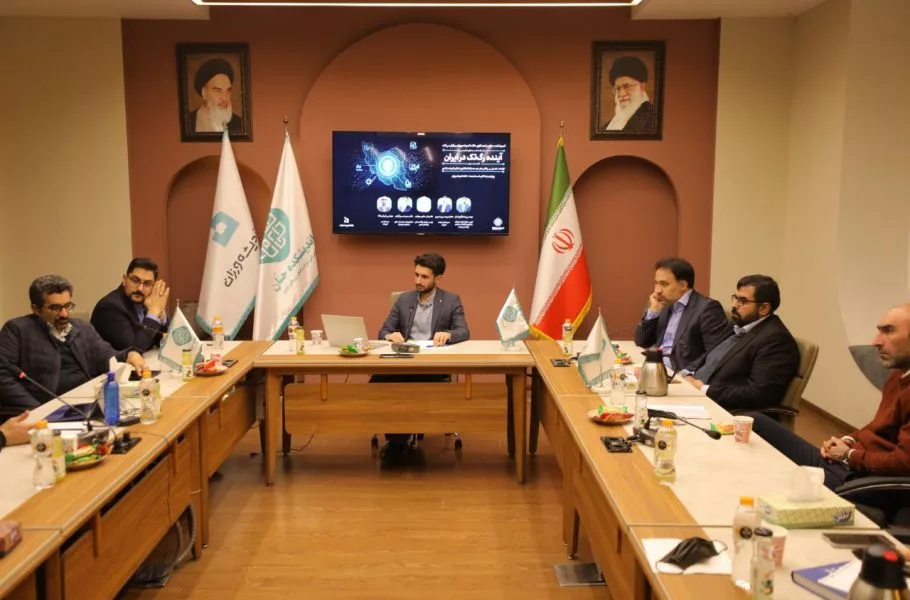
The third session of the series 'Development of RegTech in Iran' took place on Wednesday, December 10, 2025. Organized by the Hanan Think Tank, it was hosted by the House of Thinkers. Experts and digital economy activists discussed the necessity of developing regulatory technologies (RegTech) and its requirements in Iran. Speakers emphasized the importance of developmental governance, smart regulation, and a shift towards distributed and platform-based approaches.
RegTech and Platform Development
Reza Bagheri Asl, head of the Digital Transformation and Information Technology Center at the Budget and Planning Organization, highlighted the significance of platform transformation and RegTech's role in this shift.

He noted the market's transition from systems to platforms, saying, 'Platforms need regulatory tools to manage internal and stakeholder conflicts. During the COVID-19 pandemic, the Sejam system employed smart non-presential identity verification, a type of RegTech. This experience demonstrated that RegTech development is essential for the platform ecosystem.'
Bagheri Asl identified the main challenge in developing RegTech in Iran as the lack of clear decision-making regarding the role and type of regulators. He added, 'We have not yet determined whether regulation should be centralized and integrated or distributed and networked. Another important issue is which entity assumes the risk.'
He suggested that less government intervention is preferable, provided sovereign rights protecting people's interests are upheld.
Bagheri Asl stressed the need to move towards platform-based regulation, stating, 'In modern governance, we should progress towards a government that acts as a helmsman and regulator, not a rower and operator. When the government competes with an ecosystem, RegTech cannot materialize. Platforms should recognize people's rights, manage risks, self-regulate, and model this for the regulator.'
Elite Consensus in Technology Regulation
Iman Maleka, Secretary of the Fintech Association, highlighted the impact of technological changes on reducing government control and emphasized the importance of elite consensus. He said, 'Governance has always used information technology for oversight and control. Now, due to vast data and technological complexities, technological tools are necessary for regulation. This requires elite consensus, a national strategy, and extensive dialogue among stakeholders.'

Maleka noted that many documents and policies have stalled due to a lack of stakeholder consensus. He suggested that think tanks could facilitate progress by fostering elite discourse.
Addressing Data Ownership Issues
Hamid Hasanabadi, a consultant in smartization and digital transformation, emphasized the importance of an integrated technology regulation ecosystem. He referenced global experiences, saying, 'RegTech was first introduced by the UK's FCA in 2016 and has since been applied in areas like transaction monitoring and data management. In Iran, many actions have been taken, but they remain isolated, lacking necessary synergy.'

He addressed data governance challenges, stating, 'The boundary between data confidentiality and ownership is undefined. We lack a data economy and have no benefits outlined for data shared between organizations. These issues pertain to data governance, which must be clearly defined.'
Hasanabadi concluded by stating that streamlining government and reducing its control is crucial for RegTech development: 'A bloated government cannot innovate. When streamlined, the government will be compelled to outsource and support the ecosystem.'
Post-Monitoring Requires Regulatory Maturity
Seyed Amirhossein Shabiri, CEO of Shaparak, stated, 'If businesses equip themselves with RegTech tools and plan for regulatory compliance, regulators will support them rather than oppose.'
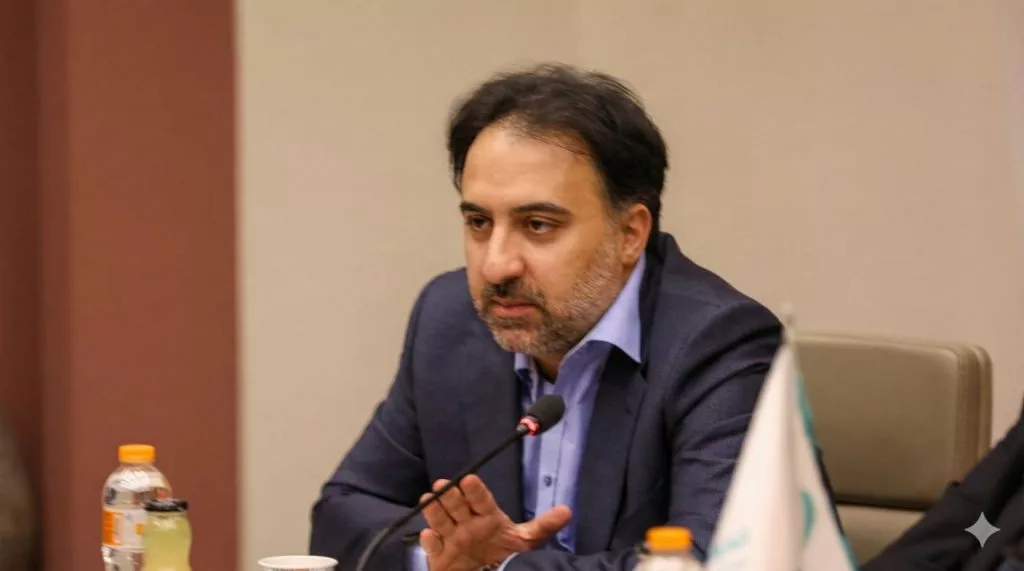
He criticized existing bureaucracy in supervisory and judicial bodies, adding, 'Post-monitoring requires a maturity that does not currently exist. Regulation must be bottom-up and based on cooperation among ecosystem players.'
Shabiri described the Shaparak model as a successful example of stakeholder collaboration, saying, 'Shaparak, with its 25 shareholder banks, understands stakeholders' problems and strives to solve them. This model can be expanded to other sectors to improve the regulatory environment.'
Path Forward for RegTech in Iran
The 'Future of RegTech in Iran' meeting outlined the challenges and opportunities for this technology in the country. Speakers stressed the need for an integrated technology regulation ecosystem, streamlined government, transparent data governance, and elite discourse.
The meeting's message was that RegTech development requires stakeholder cooperation, reduced government control, and a shift towards distributed and platform-based regulation. This approach can lower compliance costs and increase transparency and efficiency in the country's digital economy.