

Mandatory Driver Insurance Sparks Debate in Iran’s Ride-Hailing Sector
Iran’s ride-hailing sector debates mandatory driver insurance policy impacts.

Latest from Interview


Managers of online taxi services have expressed concern about the repercussions of mandatory driver insurance. They argue that this requirement reduces the appeal of working in ride-hailing platforms, leading to increased travel costs and lower passenger acceptance. This could ultimately affect service quality and shrink the market size of online taxis.
Press Conference Highlights
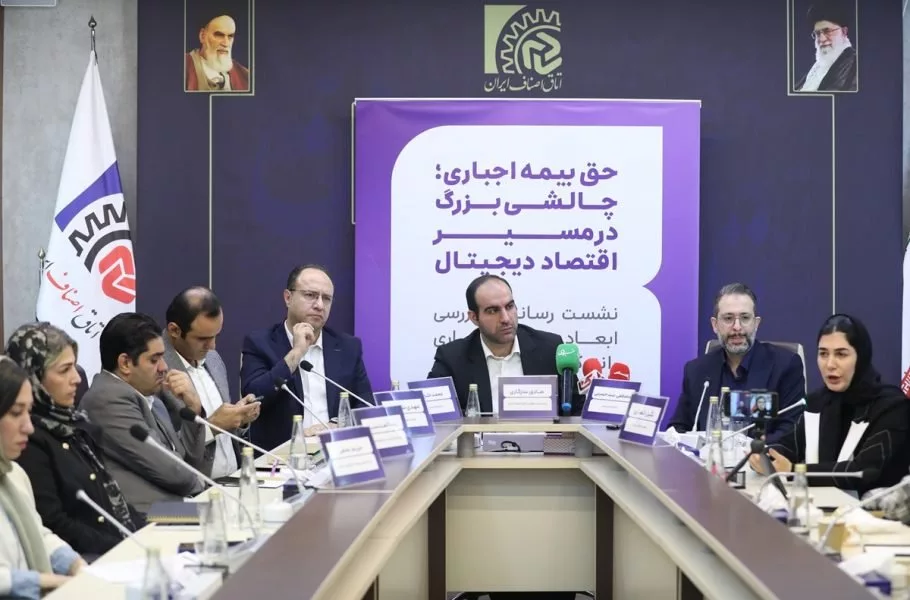
A press conference titled "Mandatory Insurance: A Major Challenge in the Path of Digital Economy" took place this morning to discuss the implications of this policy.
Sadegh Sazegari, Legal Affairs Manager of Iran's Chamber of Guilds, addressed the issue, stating that mandatory insurance for online taxi drivers could have broader consequences in the future, potentially affecting the entire sector. The Chamber of Guilds and the Union of Virtual Businesses have intervened to address the matter.
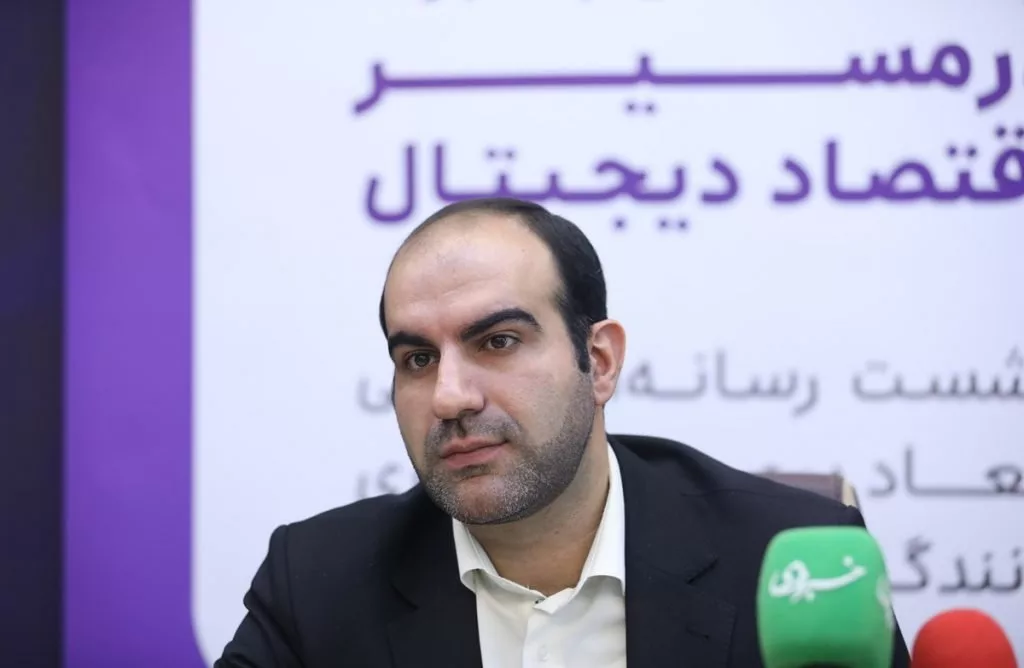
Sazegari explained that smart transportation platforms operate under the Trade Law, which exempts them from mandatory insurance requirements. He said, "Independent businesses under the Trade Law are not required to have insurance. This is exactly where the proposal for mandatory driver insurance faces challenges. Both the Administrative Justice Court and paragraph C of Article 28 of the Seventh Development Plan confirm that this business model is a shared economy, exempt from mandatory insurance."
He warned that this decision could set a precedent for other digital economy businesses, making insurance systems across sectors more complex. "This issue goes beyond a simple dispute and has become a sector-wide concern. Through precise, data-driven studies, we need to develop solutions that provide maximum benefit with minimum cost to society," Sazegari said.
Snapp’s Position and Concerns
Mohammad Khalaj, CEO of Snapp, criticized inaccuracies in the discussion. He stated, "We are committed to ensuring drivers are insured but oppose the current implementation model. Drivers should have the option to voluntarily enroll in insurance coverage. We have formally submitted this proposal."
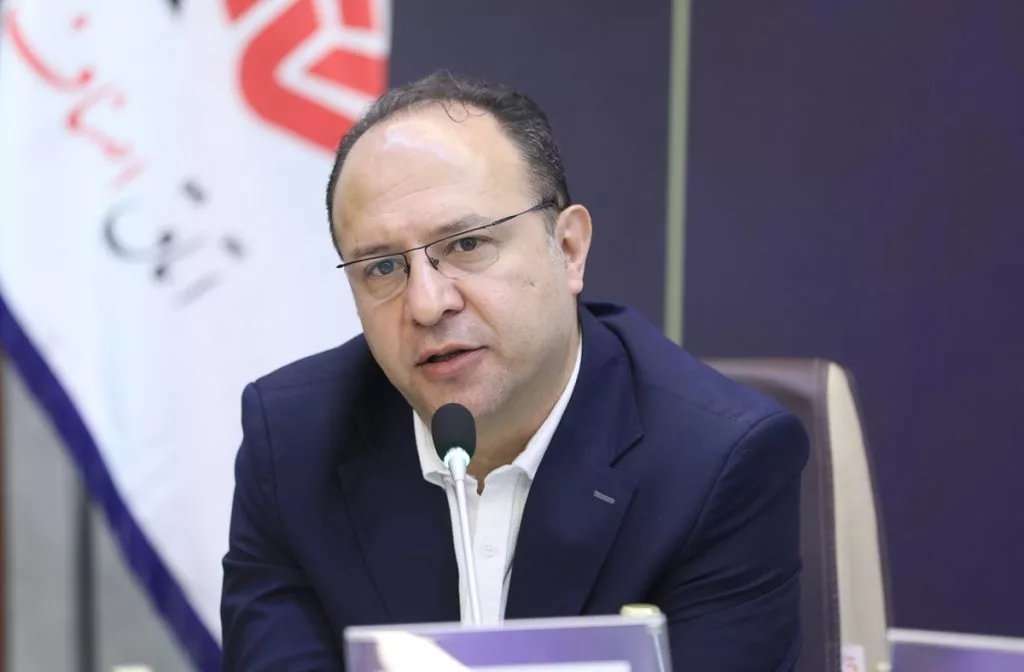
Khalaj emphasized that drivers are independent contractors, not employees of the platform. Mandatory insurance, he argued, increases operational and financial pressures on drivers and passengers, reducing service quality. "Currently, nearly half of the platforms' revenue is returned to drivers through incentives and support. We are willing to pay drivers' insurance premiums voluntarily using these incentives, but the new plan indiscriminately applies mandatory insurance to all drivers, leading to inefficient financial allocation," he added.
He noted that Snapp had conducted surveys among drivers to design a model for voluntary enrollment in insurance. The proposed plan was discussed with the Social Security Organization but was not implemented due to the mandatory insurance decision.
Khalaj also referenced global experiences, noting that insurance models vary widely. "In countries with conditions similar to Iran, limited platform participation in insurance models has been implemented without altering legal relationships," he said.
Tapsi’s Concerns About Market Impact
Mostafa Seyed-Hosseini, CEO of Tapsi, stated that mandatory insurance could reduce the supply of drivers. "Many drivers work part-time and do not view this as their primary job," he explained.
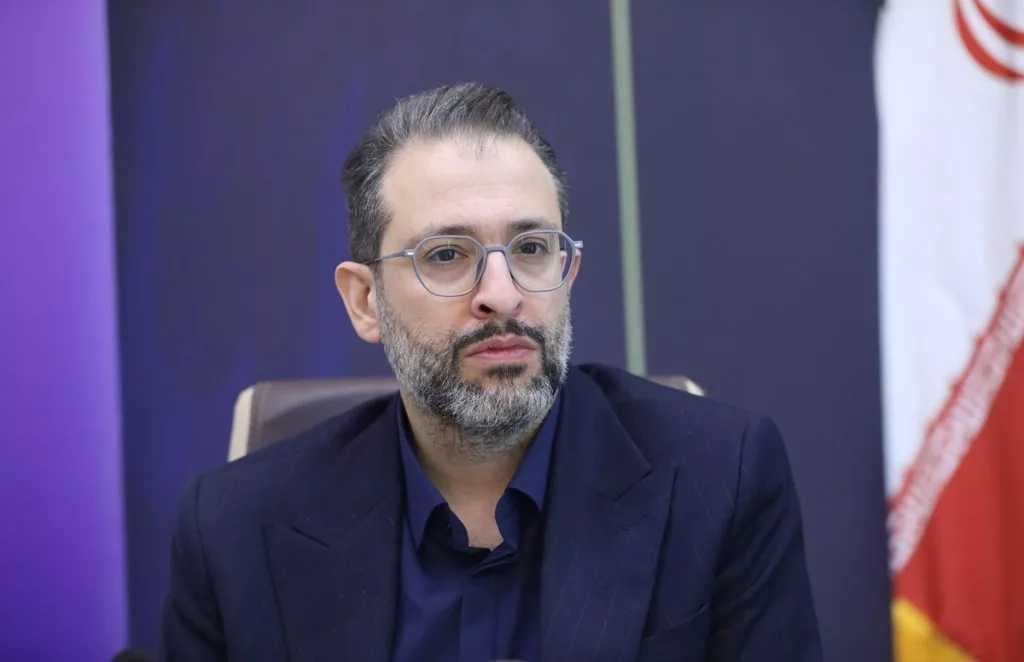
He noted that Tapsi experiences a 20% monthly driver turnover rate. "This means participation is not permanent. Mandatory insurance will severely impact part-time drivers, leading to lower platform service levels, reduced acceptance rates, and increased travel costs," he said.
Seyed-Hosseini added that this price hike would be in addition to the 4% increase mandated by law. "The outcome will be more expensive services with lower acceptance rates, as shown by our data and modeling," he stated.
He predicted that this issue could extend beyond online taxis, affecting other industries in the long term.
Private Sector Consultation Concerns
Reza Olfat-Nasab, head of the Union of Virtual Businesses, criticized decision-making in Parliament without consulting the private sector. He said that the platform economy generates revenue independently of government funding.
Olfat-Nasab pointed out that topics often arise suddenly in parliamentary committees without prior notice to the private sector. He added that collaboration with the Parliament Research Center has been proposed to ensure private sector involvement in relevant discussions moving forward.