

Private Sector Urges Bigger Role in Iran’s Digital Economy
Private sector seeks greater role in Iran's digital economy.

Latest from Interview


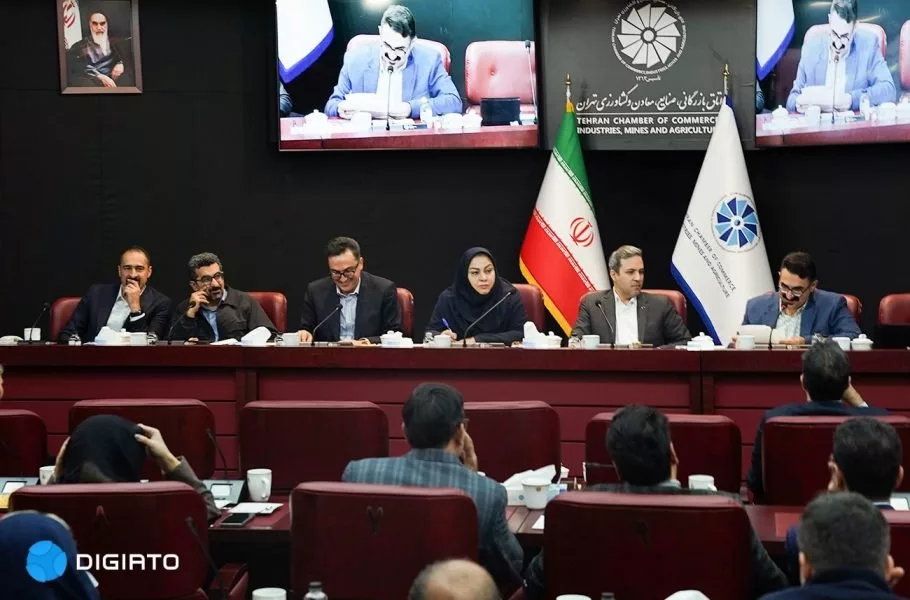
The specialized meeting "From Challenge to Solution" took place today, organized by the Tehran Chamber of Commerce, along with the Tehran E-Commerce Association. Representatives from the private sector, the Central Bank, and the Digital Economy Task Force attended. Key topics included direct demands from the ecosystem to the country's leaders and banking system. The most significant issue discussed was the private sector's demand for a greater share in national decision-making centers.
At the start of the meeting, Nima Qazi, President of the E-Commerce Association, referred to a marathon of industry discussions over the past two weeks. He expressed surprise at the rapid action by the President in organizing meetings with national leaders. Qazi detailed the outcomes of these sessions and outlined the current state of Iran’s digital economy.
Emphasizing the role of the private sector in policymaking, he stated: "One of our key demands during both meetings with the President and national leaders was to increase our share in decision-making spaces. Specifically, we focused on the Digital Economy Task Force. We requested that 50% of seats and 30% of voting rights within this task force be allocated to us, the private sector representatives from the E-Commerce Association, fintech groups, NASR, and virtual business unions. Our goal is to secure at least four votes across various sectors, especially within the Digital Economy Task Force."
Investment Needs and Legislative Challenges
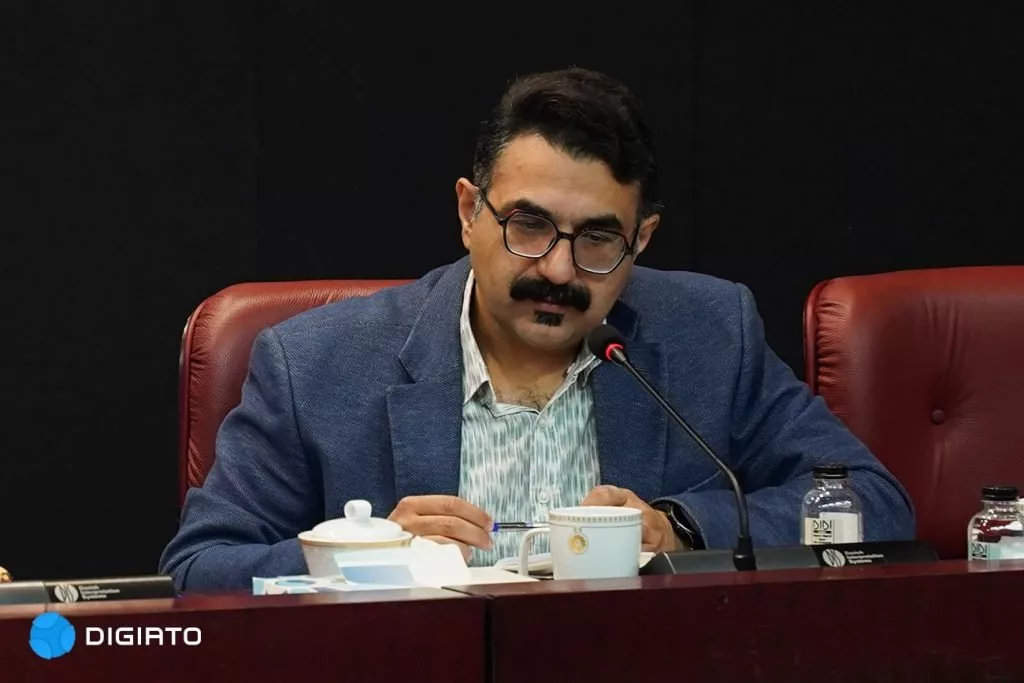
Qazi further stressed that immediate action is required for the digital economy's current state: "If you want to make progress in digital economy, it must happen now. We need $2 billion annually to double investments in this sector. Unfortunately, private sector investors are either driven away or face security-related obstacles. Those whose investments succeed cannot find a path to the stock market."
He also addressed the absence of private sector representatives in the Supreme Council for Cyberspace and said: "We have been pursuing this issue for a long time, why are active professionals in this field excluded from the council? Additionally, why are individual members of the council people we have no access to? Industry professionals must be present at council meetings. However, such representation requires decisions at leadership levels."
Qazi mentioned ongoing efforts related to topics such as internet filtering and investment in digital economy. He said two specific commitments were secured during meetings with national leaders: "From the legislative branch, it was decided that a session would be held at the Parliament Research Center to discuss existing laws and structures for future bills. The judiciary branch announced plans to form a Digital Economy Task Force that would include three to five representatives from the private sector."
$2 Billion Investment: Key to Digital Economy Transformation
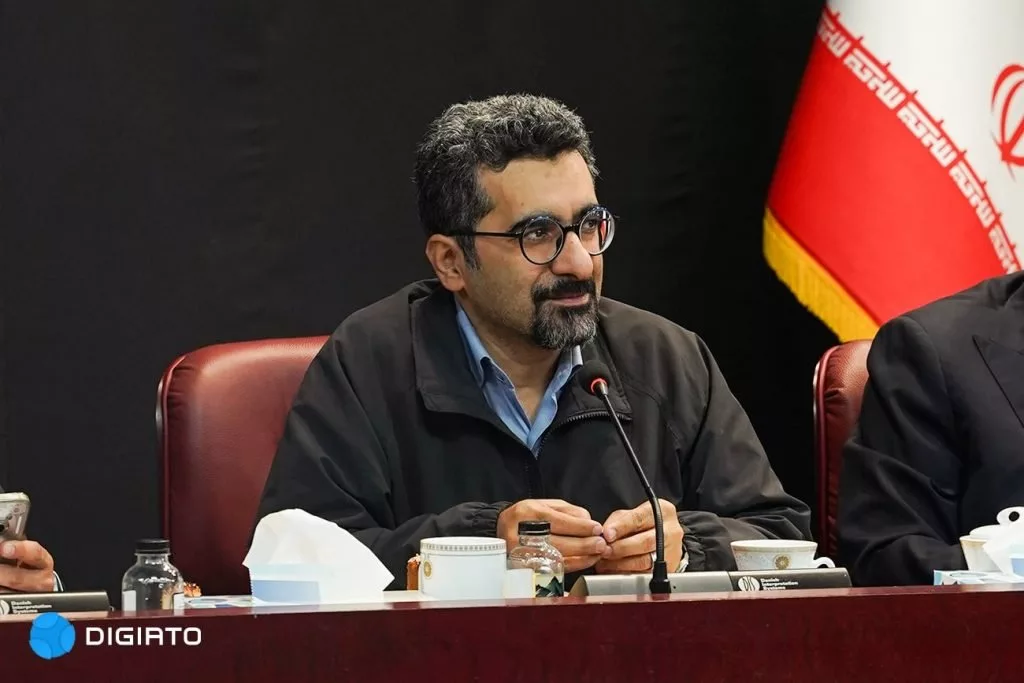
During the meeting, Reza Bagheri-Asl, Secretary of the Digital Economy Task Force, commented on legislative challenges: "If we don’t have proposals ready, others will create them for us. Parliament is currently advancing a text aimed at supporting businesses; however, we have no idea what will emerge from it."
Bagheri-Asl added that the private sector has indicated it needs $2 billion in funding annually, which could revolutionize Iran’s digital economy. He noted: "This figure is equivalent to one-third of Bank Ayandeh’s fiscal deficit and could bring transformative changes. Data provided by the Planning Organization shows allocations of 60 trillion rials for tax credits and 103 trillion rials for social responsibilities. The question is how to channel these funds effectively to achieve greater productivity."
He emphasized that proposals must be presented to the government while also considering fiscal imbalances.
Central Bank Supports Innovative Financial Services?
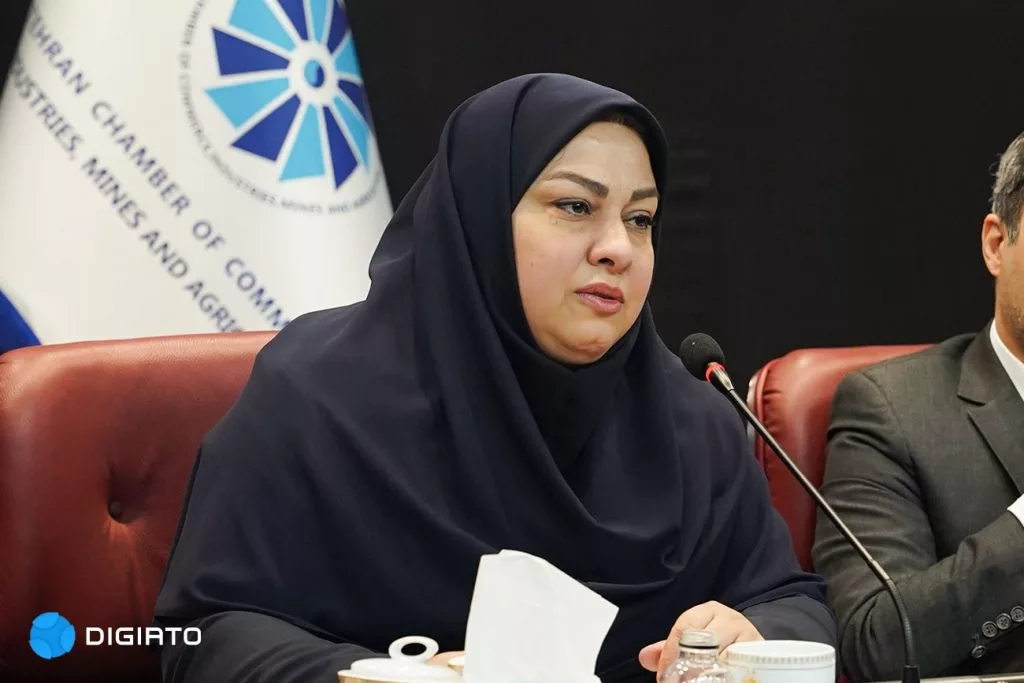
Nooshafarin Mo'men-Vaghefi, Deputy for Modern Technologies at the Central Bank, referred to the Fintech Roadmap document and said: "The Fintech Roadmap document, which industry professionals themselves worked on, clearly outlines necessary steps. We have published it online and gathered expert feedback."
She raised concerns about regulatory challenges in cryptocurrency and added: "Some of our cryptocurrency exchanges remind us of Bank Ayandeh’s formation. If strict measures are in place, it’s to prevent a repeat of such incidents."
Regarding Central Bank policies on financial innovation, Mo'men-Vaghefi explained: "BNPL (Buy Now, Pay Later) is supported by the Central Bank. Additionally, we have opened up spaces for developing digital wallets."
She touched upon payment processors and stated: "Nearly 40 payment processors are operating, but perhaps only four are non-compliant. Unfortunately, these four overshadow the voices of 36 compliant ones because their misconduct is louder. Payment processors argue that they adhere to regulations and bear penalties for compliance failures. Yet those who violate rules gain significant profits."
Mo'men-Vaghefi also discussed collaboration between the Central Bank and lending technology companies (LendTech). She said: "Our approach with LendTech firms focuses on achieving an effective self-regulation model. The main aim is forward-looking strategies and maximizing ecosystem capacities. This allows companies to systematically manage and organize their activities. We have proposed a model where mechanisms for addressing violations within ecosystems are clearly defined. This innovative self-regulation approach will be pursued with LendTech firms if they provide a comprehensive, practical, and mutually agreeable proposal."