

Digital Chiefs Push for Two Billion Dollars a Year and Full Unblocking of Major Platforms
Iran’s tech leaders vow to double digital GDP, train 250,000 specialists, and lead regionally, conditional on two billion dollars annual funding and major reforms.

Latest from Interview


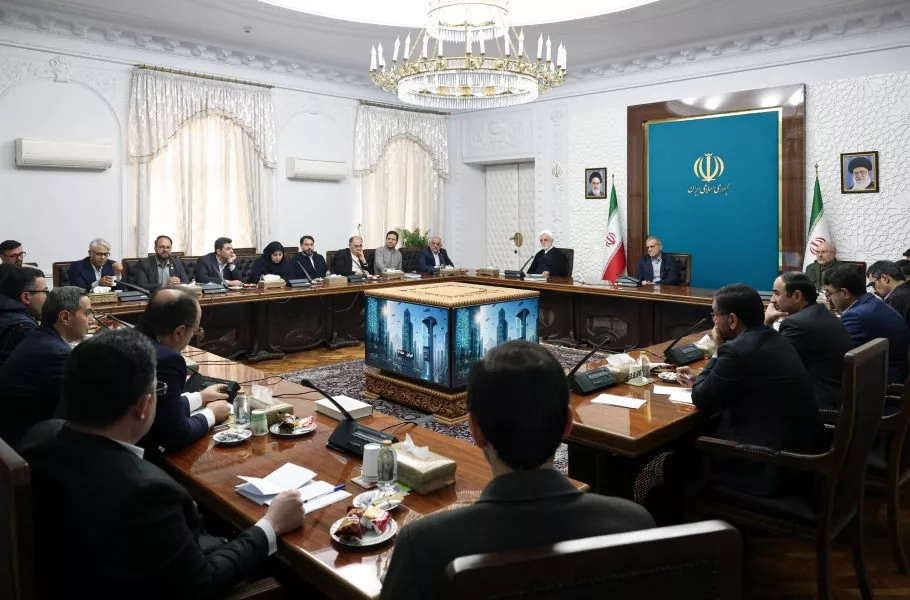
Iran’s top digital economy executives have urged the government to allocate two billion dollars annually to the sector and implement a broad set of structural reforms. The demands were delivered during two meetings held within a ten day span with the president and the heads of the three branches of government.
The Electronic Commerce Association released the full briefing, which outlines the sector’s current status and specifies five key demands backed by quantifiable targets.
Two billion dollars per year and five core reforms
Executives argued that a yearly two billion dollar injection is necessary to push the digital economy toward higher productivity and growth. Their five principal requests include:
1. Filtering
They called for full removal of filtering on major platforms and new internet protocols, citing market losses tied to restrictions. Priorities include Telegram with tens of millions of domestic users, YouTube, Instagram with an estimated three million business pages, as well as HTTP/3 and IPv6. They also pushed for a binding ban on filtering decisions targeting domestic platforms.
2. Security restrictions
They demanded consolidation of security decision making in one ministry and a rollback of security interventions that, according to their estimates, have driven thousands of experts and entrepreneurs into forced migration.
3. Regulatory consolidation
Executives stated that multiple overlapping regulators impose significant financial overhead on companies. They named the national broadcaster, municipalities, the central bank, and the insurance regulator as priority institutions whose mandates need unification to prevent regulator–company competition.
4. Judicial reforms
They asked for a formal directive from the judiciary chief to streamline digital operations. Key points include unified handling of digital cases in specialized courts, clear separation of platform responsibilities, regulated access to big data under Article 25, and an end to scattered provincial summonses of company managers. They argued that inconsistent judicial procedures add measurable delays and costs across thousands of cases each year.
5. Investment structure
Alongside the two billion dollar annual package, they urged removal of barriers to domestic investment. Funding is proposed to come from the Knowledge-based Production Surge Act and the National Development Fund.
Private sector demands representation backed by vote percentages
Executives also pushed for numeric representation quotas. Their proposal includes:
- Private sector presence in all legislative drafts and research documents affecting the digital economy.
- Fifty percent representation in the National Digital Economy Taskforce with thirty percent voting power.
- Voting membership in the Committee for Determining Criminal Content.
- A judiciary taskforce for the digital economy with private sector members.
- A digital economy committee within the Council of Heads of Government Branches that includes private sector seats.
- Four private sector associations in the Supreme Cyberspace Council and three in the national committee for easing digital economy barriers.
Sector leaders outline quantitative national outcomes
In their closing remarks to government leaders, executives presented numerical projections conditional on approval of their demands. According to their estimates:
- The digital economy’s share of GDP would double.
- The sector would train 250 thousand skilled specialists.
- Domestic platforms and AI systems would become the primary tools for addressing national structural imbalances.
- Increased transparency and reduced corruption would follow from digitized processes.
- Iran could position itself as the region’s leading technology power.
They argued that these goals are achievable within a coordinated policy framework supported by consistent funding and unified regulation.