
Silenced Streams: How a 20-Day Internet Blackout Left Persian Podcasts Stranded Offline
When the Internet Went Dark, Persian Podcasts Lost Their Voice and Their Audience

Latest from Interview


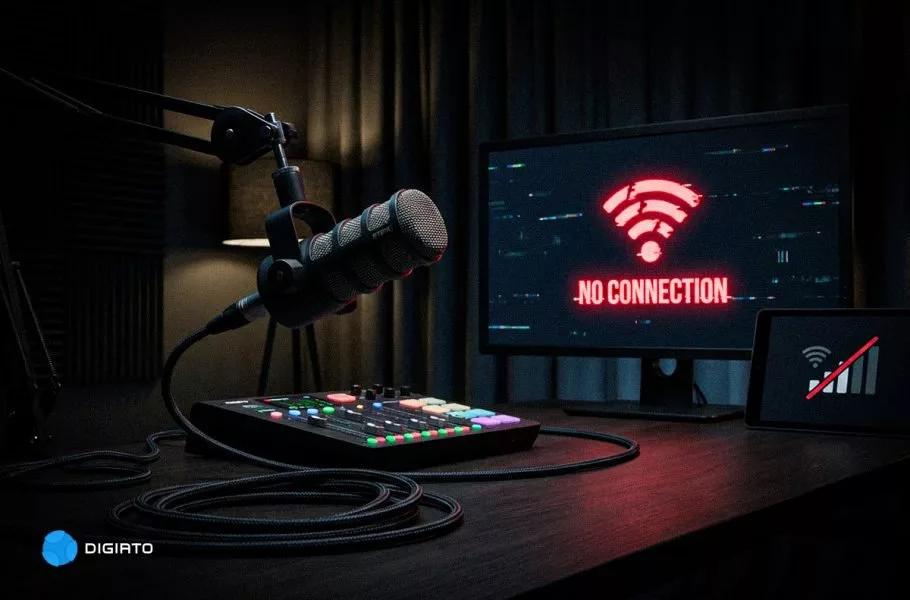
During the 20-day internet shutdown, listening to Persian podcasts became nearly impossible. International platforms were fully inaccessible. Domestic apps displayed podcast pages and metadata, but audio files would not play.
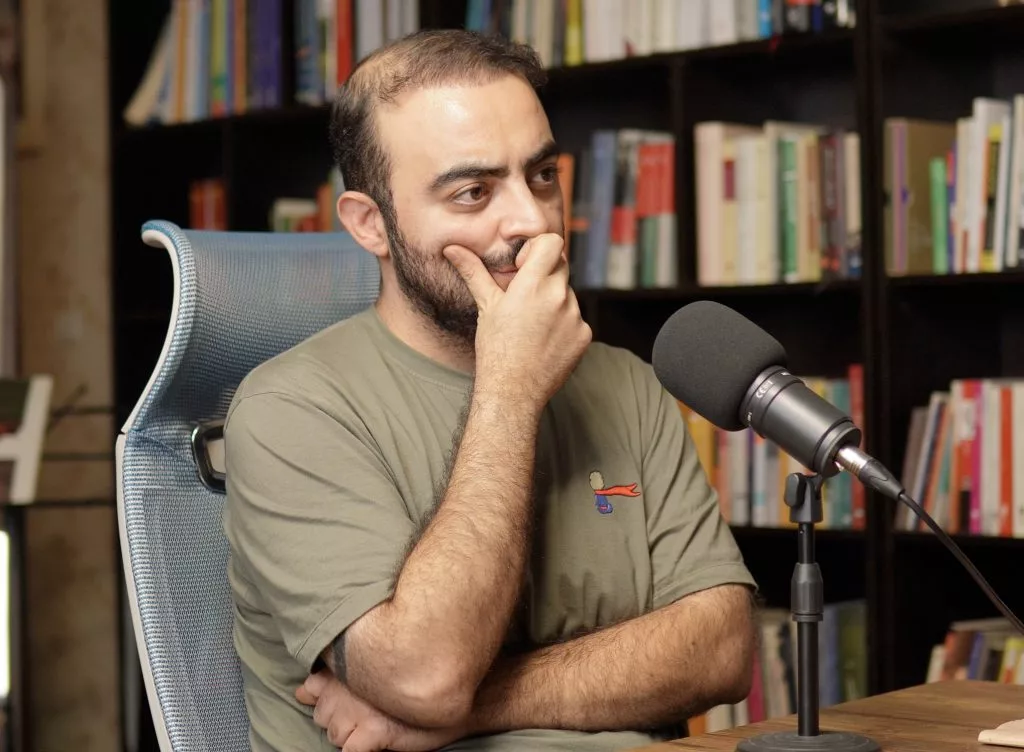
Milad Eslamizad, host of the “Kargah” podcast, told Digiato that the technical dependence of Persian podcasts on foreign hosting services created an unusual situation. With hosts such as Anchor blocked, neither audiences could listen nor creators could upload new episodes.
“It was a strange period. Podcasts were not playable inside the country, and podcasters themselves had no access to hosting services. Most Persian podcasts rely on foreign hosts that are not served inside Iran. Uploading new episodes was impossible, and listening was also impossible.”
Why Domestic Platforms Failed
As global platforms went offline, expectations shifted to local apps such as Shenoto. User reports and Digiato’s checks showed that even these apps could not stream audio, and some became fully unavailable.
Eslamizad explained that domestic platforms often function only as podcatchers. They fetch episode data in advance, but the actual audio files remain hosted on external servers. During the outage, users could see episode information but playback requests failed because the files were stored on unreachable servers.
Consumption Collapses Despite Rising Search Interest
Search interest in ways to access podcasts increased fivefold, yet content consumption graphs showed a steep decline. Video versions were hit harder than audio. YouTube views dropped sharply, with video consumption falling to roughly one-twentieth of previous levels and audio to about one-tenth. Active listeners were largely limited to audiences outside Iran.
A Psychological Blow to Creators
Beyond technical barriers, podcasters faced a deeper sense of discouragement. Eslamizad said many creators had aimed to foster civil dialogue through podcasts. The disruption raised fundamental questions about the purpose and impact of their work.
“Beyond the numbers, what affected us was a sense of hopelessness. Independent of the technical issues, the central question became what this work is for and whether dialogue in the humanities can really have long-term impact.”
Sponsorships Stall and Recovery Looks Slow
Podcast economics in Iran rely heavily on brand sponsorships rather than short-term sales campaigns. According to Eslamizad, advertising campaigns stopped completely. Even before the outage, the market had been slowly recovering after recent disruptions, but sponsors pulled back again, causing a significant financial slowdown.
He believes that even if technical restrictions were lifted immediately, it would take months for audiences, creators, and sponsors to return to previous levels. Still, in recent days of more stable connectivity, older episodes have seen renewed listening, suggesting persistent audience demand despite the disruption.